Inshore Fishing

How do slip bobbers work?

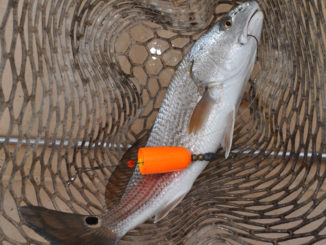
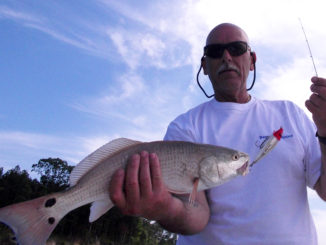
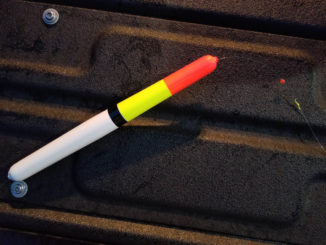
Slip-bobber rigs consist of a piece of thread tied into a knot on the fishing line, a glass or plastic bead, then the cork. The knot slides up and down to adjust the depth you’re fishing, the bead keeps the bobber from slipping over the knot and the cork slides freely up and down the line, stopping when it reaches the knot. When using slip bobbers in strong current, you must use enough weight to keep the bait down, otherwise the current will push the slip bobber through the line all the way back to the hook. It may take as much as an ounce when the current is really ripping, so make sure your slip cork is big enough to handle it.  […]

Deer Hunting

Fertilize fire breaks, forest openings for food plots

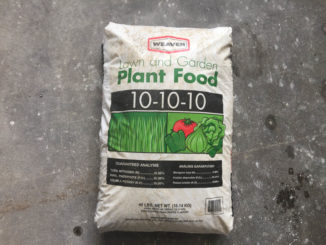
For one reason or another, property owners routinely crank up the bush hog on old fields, fire breaks and other places they want to keep maintained in an herbaceous state. These freshly-mowed areas stimulate the production of tender grasses and forbs, especially in the spring after routine rainfall when warm air and soil temperatures are suitable. Both big and small game will quickly take advantage of the tender greenery, as new sprouts of grasses and shrubs can be palatable and quite tasty. […]

Crappie/Bream

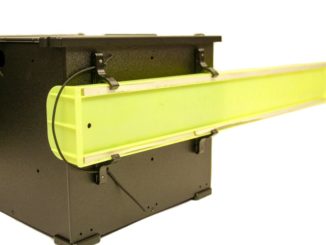
Yak Attack Hawg Trough Mounting Kit

One of the biggest differences between a powerboat and a kayak when it comes to entering fish in a tournament is the use of a livewell. Since paddlers use cameras to capture photos of caught fish, having a handy measuring tool at your fingertips is a must. […]

Freshwater Fishing

Trout tagging 101

The N.C. Wildlife Resources Commission implants elastomer tags into cheeks of all rainbow and brown trout stocked into Apalachia Lake.  […]

Crappie/Bream

Scotty fly-rod holder with side/deck mount

When it comes to bream fishing from a paddlecraft, especially with fly tackle, having a secure place to store your rod is critical. The problem is that while most fishing kayaks come with rod holders, they typically only fit spinning or baitcasting rods. Fortunately, you can buy aftermarket rod holders designed specifically for fly rods. […]

Freshwater Fishing

Apalachia Lake flow changes often

The flow regime in Apalachia Lake is starkly different from what anglers expect with other mountain lakes. Water entering the lake through Hiwassee Dam is very cold, so the lake can support big trout, and it’s oxygenated by the Tennessee Valley Authority as it passes through the dam. […]

Crappie/Bream

The flier

The first thing most anglers  who catch their first flier think is that they’ve caught a hybrid bream/crappie. The flier, Centrarchus macropterus, is a sunfish native to muddy-bottomed swamps, ponds, weedy lakes and backwaters, mostly in the coastal planes in both Carolinas. The biggest fliers, which can live up to five years, get to about 12 inches and a pound. […]