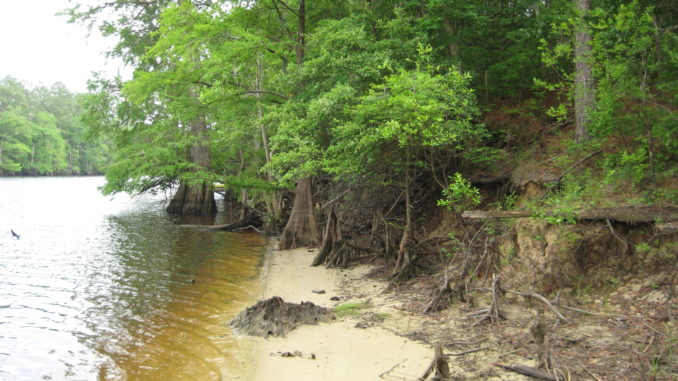
Bass Fishing
Learn to play the tides and wind for bass
Bass fishermen typically keep a tight watch on the water temperature and clarity and the direction and intensity of the wind. […]

Bass fishermen typically keep a tight watch on the water temperature and clarity and the direction and intensity of the wind. […]
Gil Cutchin of Occoneechee Hunting Lodge in Northhampton County, near Jackson N.C., has seen changes in turkey hunting tactics over the years, especially when it comes to using decoys. […]
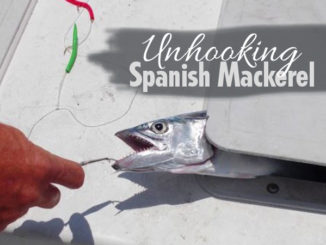
Follow these tips to avoid getting your fingers sliced while removing Spanish mackerel from your hook. […]
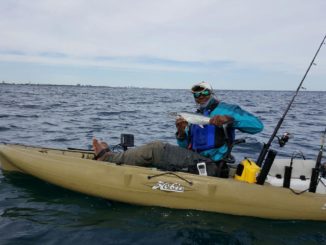
Fishermen in North Carolina and South Carolina generally look for baitfish, structure and water flow when fishing for Spanish mackerel. The primary places to find concentrations of the small mackerel are around inlets, in close proximity to wrecks and artificial reefs, and harassing schools of bait around natural structure. […]
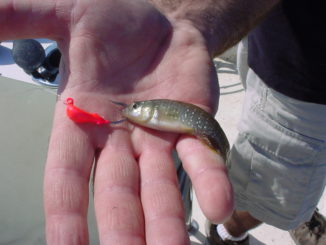
Few fishermen will argue that flounder prefer to feed in the lower third of the water column. Their body shape suggests that they spend most of their time along the bottom. As a result, lures and baits should stay on or near the bottom to capture a flounder’s attention. When using live bait, the choice of terminal tackle can make a big different in presentation. […]
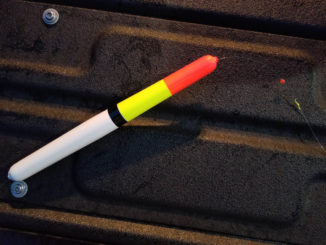
Slip-bobber rigs consist of a piece of thread tied into a knot on the fishing line, a glass or plastic bead, then the cork. The knot slides up and down to adjust the depth you’re fishing, the bead keeps the bobber from slipping over the knot and the cork slides freely up and down the line, stopping when it reaches the knot. When using slip bobbers in strong current, you must use enough weight to keep the bait down, otherwise the current will push the slip bobber through the line all the way back to the hook. It may take as much as an ounce when the current is really ripping, so make sure your slip cork is big enough to handle it. […]
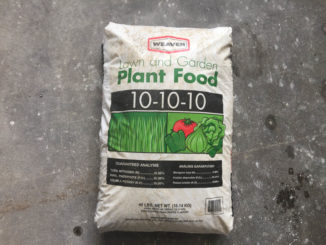
For one reason or another, property owners routinely crank up the bush hog on old fields, fire breaks and other places they want to keep maintained in an herbaceous state. These freshly-mowed areas stimulate the production of tender grasses and forbs, especially in the spring after routine rainfall when warm air and soil temperatures are suitable. Both big and small game will quickly take advantage of the tender greenery, as new sprouts of grasses and shrubs can be palatable and quite tasty. […]
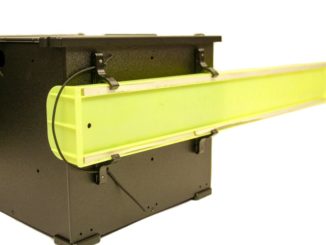
One of the biggest differences between a powerboat and a kayak when it comes to entering fish in a tournament is the use of a livewell. Since paddlers use cameras to capture photos of caught fish, having a handy measuring tool at your fingertips is a must. […]
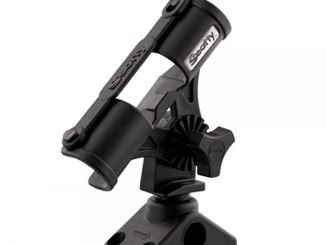
When it comes to bream fishing from a paddlecraft, especially with fly tackle, having a secure place to store your rod is critical. The problem is that while most fishing kayaks come with rod holders, they typically only fit spinning or baitcasting rods. Fortunately, you can buy aftermarket rod holders designed specifically for fly rods. […]
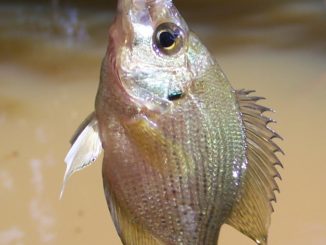
The first thing most anglers who catch their first flier think is that they’ve caught a hybrid bream/crappie. The flier, Centrarchus macropterus, is a sunfish native to muddy-bottomed swamps, ponds, weedy lakes and backwaters, mostly in the coastal planes in both Carolinas. The biggest fliers, which can live up to five years, get to about 12 inches and a pound. […]
Copyright 1999 - 2026 Carolina Sportsman, Inc. All rights reserved.