

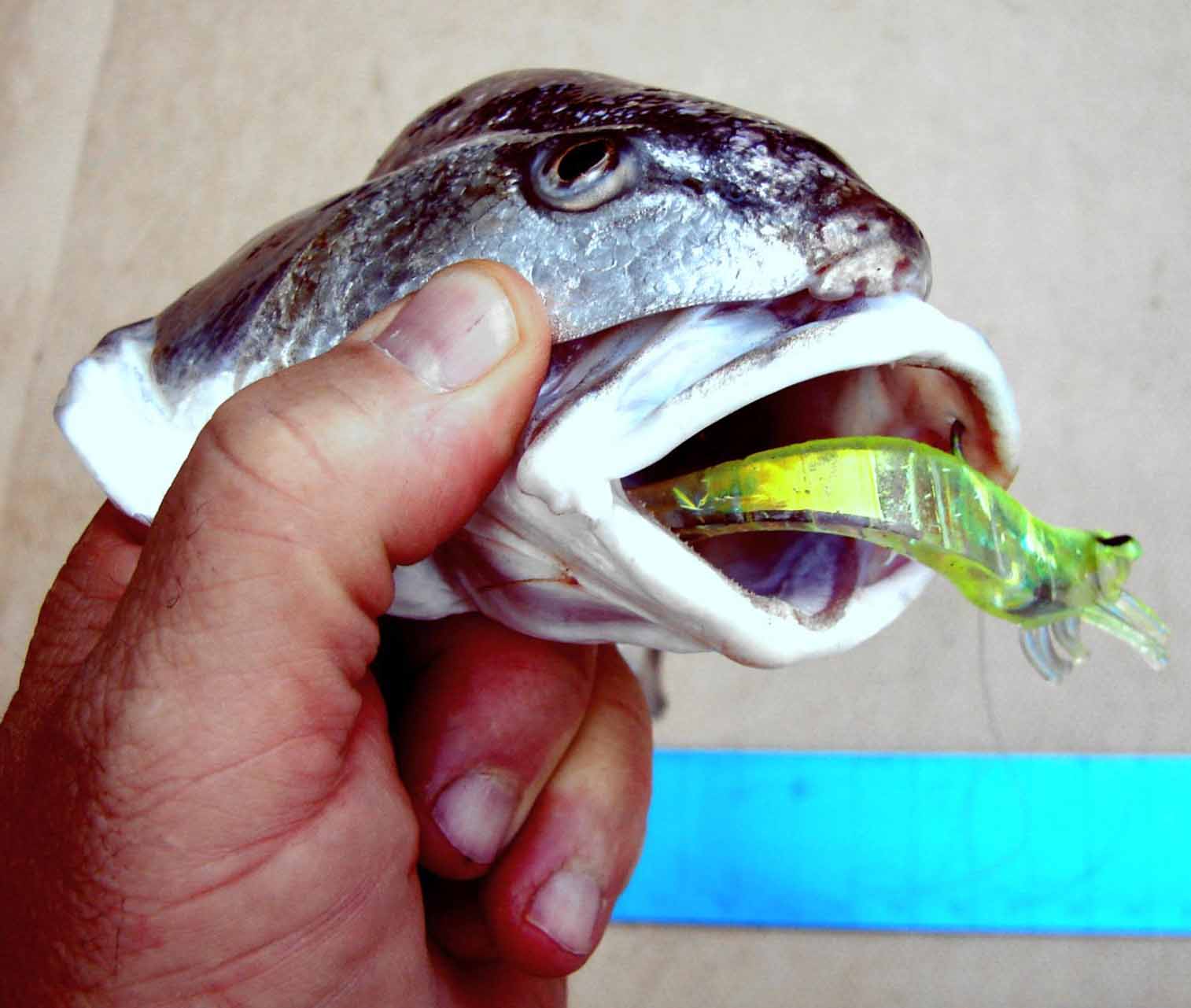
The winter of 2010-2011 was exceptionally cold along the south Atlantic Coast, especially in South Carolina. The first hard cold spell came at Thanksgiving, and it didn’t let up until late February. Fishermen had not been used to fishing in those conditions, but they adapted and continued to fish slowly.
Of course, there are several different degrees of “slow” — fishing the normal 56- to 60-degree water temperature range in Broad Creek and fishing when the water temperature dips below 50 degrees are different animals.
In water less than 50, the fish are cold. Redfish will continue to nibble along a little, but other species, like speckled trout, may stop feeding entirely. Fishing slow when the water is in the mid-50s is slow, but many fishermen say they have better luck when the water is below 50, with occasional pauses in their retrieves.
One of the cold-water fishing techniques is called “dead-sticking” — leaving your bait or lure on the bottom of different lengths of time. You can make several 5- to 10-second pauses during a retrieve, moving the bait only a few feet between pauses. This technique accounts for a lot of fish each winter and was the technique of choice for much of last winter.
Something to remember is that redfish have to eat and will feed along, but they have to be excited before they will expend much energy to chase a bait down. This is where dead-sticking and especially dead-sticking with a scented bait, becomes a primary tactic. With the bait giving off scent and only occasionally moving, fish see it as a meal they can easily catch. By keeping a bait that looks and smells good in front of a fish for an extended period of time, it usually gets the fish curious or excited enough to bite.
Capt. Steve Ranney works hard when dead-sticking to find colors that appeal to the fish. He said when they are actively feeding, color may not be as important, but when they look at it for a minute or more while making up their mind, it is crucial. He has caught cold-water fish using a variety of baits, but has his best success has been with Gulp! and Gulp! Alive. He suggests varying the bait size, too, as he has seen that sometimes cold fish react better to smaller baits, which he believes they think are easier to catch.


Be the first to comment