

Tackle-shop owner Mark Danque of Chapin said one tactic that a lot of crappie tournament anglers use is something every serious crappie angler can do to improve their catches, helping them quickly and accurately target crappie when they mark fish on their graph.
“Some crappie fishermen will put out an assortment of jig sizes and just randomly troll for crappie and try to find the right combination from day to day,” Danque said. “However, it’s what a crappie tournament angler does before fishing that’s a good lesson for other anglers.
“If you know the depth different jigs fall when they are trolled at different speeds, you can accurately target crappie you see on the graph. Plus, you will know exactly what depths in the water column you are fishing. When you do start picking up crappie on Lake Murray you’ll have both speed and depth knowledge. These are crucial to success to be considered together and a prime reason why, in my opinion, a totally variable-speed electric motor is crucial to success.”
Danque recommends anglers get on the lake and experiment before trying to target crappie.
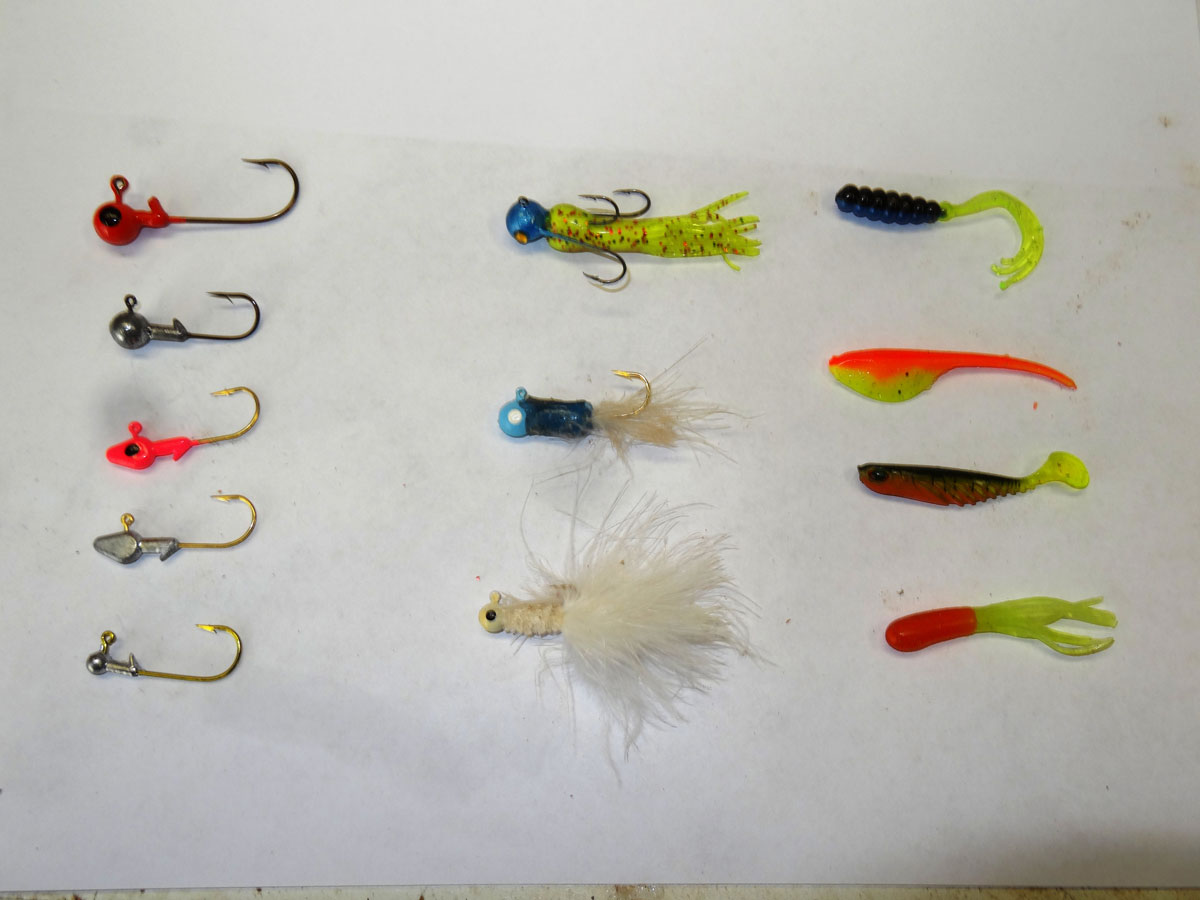
“Get in water they know is 10-foot deep, for example, and troll different size of jigs and different types of plastic grub bodies and hair jigs and test them at different speeds to determine when the various ones bump the bottom,” he said. “The speed and weight directly impacts the depth they run. Also, styles of jigs and bodies make a difference. Once you know what happens at 10 feet, try a couple of deeper depths to establish the same criteria, and then you’ll have a good representation of what your jigs are doing at different speeds. Payback for this effort occurs when you’re trolling in a creek during March and you see fish marked on the graph. You’ll be prepared to deploy the right lure for specific depths where crappies are marked. You may still have to pinpoint the color or style combination, but you can get lures in the right depth zone immediately.
“That’s also important because crappie patterns during March can change by the hour, not just by the day,” Danque said.

Be the first to comment