

Get ’em on the beds
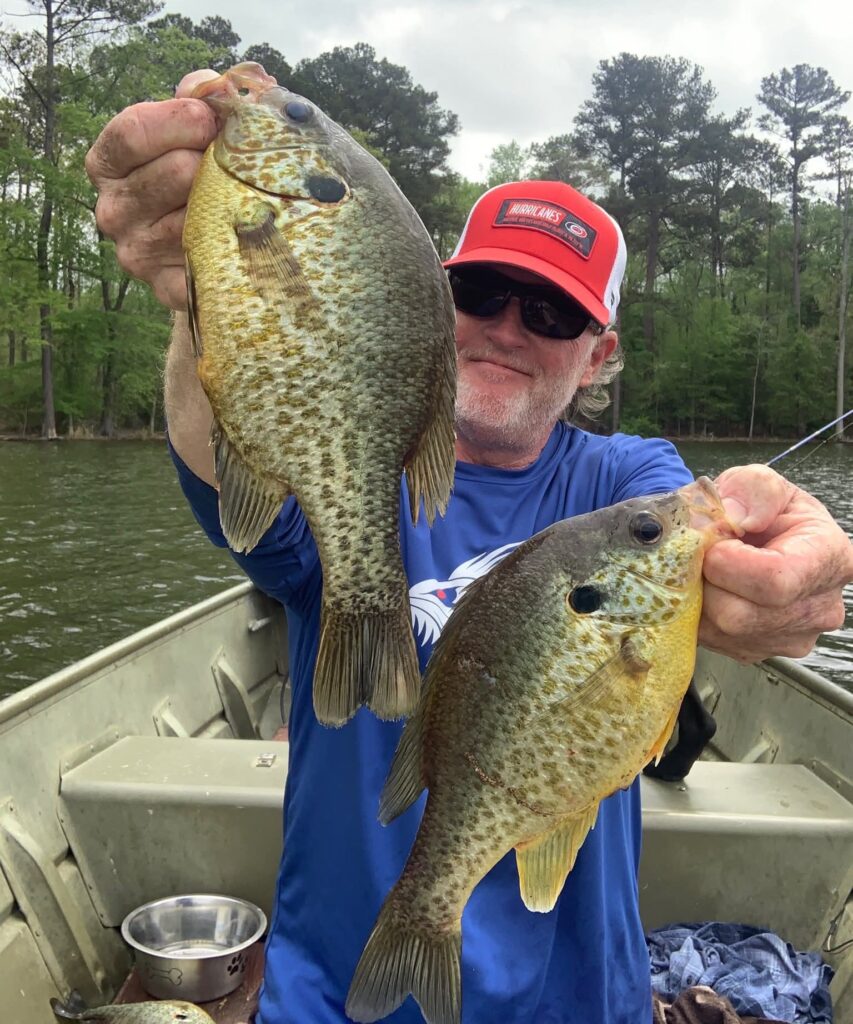
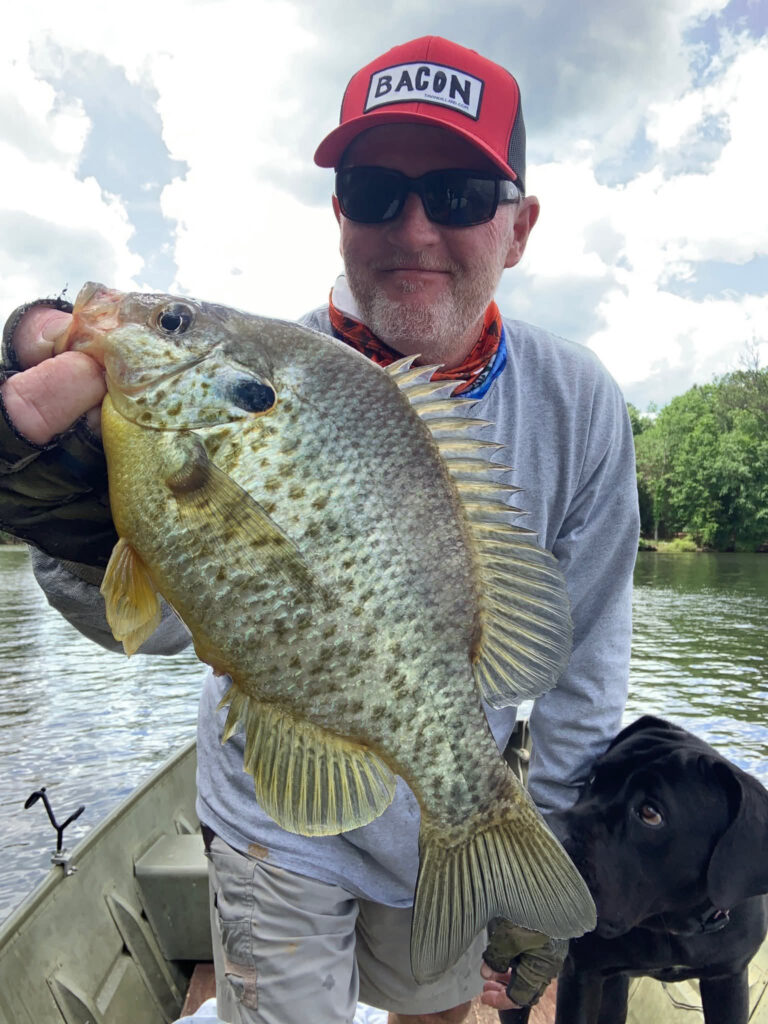
The arrival of May signals one of the most anticipated panfish opportunities of the year: the shellcracker bite.
Also known as redear sunfish, these hard-fighting, bottom-feeding bream draw anglers to lakes, rivers, and reservoirs from South Carolina’s Lake Murray to North Carolina’s Tillery and beyond. While many fishermen focus on bass or crappie, those in the know understand that May offers a unique overlap of spawning and post-spawn patterns that can produce both numbers and trophy-class fish.
Few anglers embody that understanding better than Lake Murray regular Tony Alexander, who spends much of the year studying fish behavior and fine-tuning his approach. His insights, combined with regional patterns, help paint a clear picture of how to consistently catch shellcrackers during this prime month.
Big opportunities
May is a month of transition for shellcrackers throughout the Carolinas. Depending on water temperatures and weather trends, fish can be found in all three phases of their annual cycle: prespawn, spawn, and post-spawn. This overlap creates multiple viable patterns for anglers willing to adjust.
On Lake Murray, shellcrackers often begin spawning in April, but the action extends into May. Some fish have already left shallow bedding areas and moved toward deeper structure. According to fisheries experts and guides, this means anglers can catch fish both shallow in creeks and coves and deeper on offshore structure during the same trip.
This dual-pattern opportunity is not unique to Lake Murray. Across the Carolinas, May is widely considered part of the peak window for shellcracker fishing, especially around full moons when spawning activity intensifies.
Keep it simple
Tony Alexander, a veteran Lake Murray angler, approaches shellcracker fishing with a goal of keeping things simple.
“I like things simple,” he said.
And that goes for everything from gear to his technique.
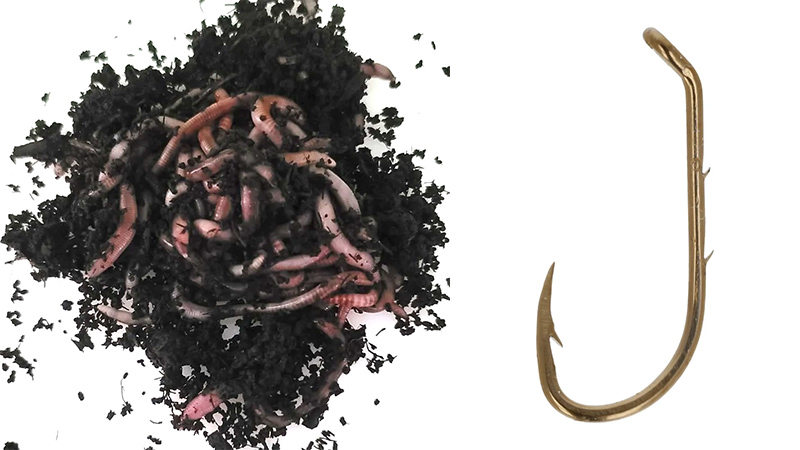
“All I do is run points with shellbeds on them,” he said, speaking of freshwater mussel shells, which are abundant in Lake Murray and many other lakes throughout the Carolinas. “I anchor down in about 3 feet of water and cast redworms and nightcrawlers out to 5 to 10 feet of water.”
Alexander gives each spot a little bit of time, but not too much.
“If I don’t get a bite in about 30 minutes, I move to another point,” he said.
That offers him a chance to hit multiple spots until he finds a hot one.
“I may cover eight to 10 points in about 4 hours,” he said.
For gear, he uses 10-pound test line on what he calls a mini Carolina rig.
“I use a 3/16-ounce sliding sinker and a No. 4 Eagle Claw Baitholder hook,” he said.
He also emphasizes consistency in weather patterns. A few stable days can make a significant difference, especially in spring when conditions fluctuate.
Water temperature, more than air temperature, is another key factor. Sudden drops can scatter fish and shut down feeding activity, even during what should be peak seasonal timing.
 Moon phases
Like many seasoned panfish anglers, Alexander pays close attention to lunar cycles. Shellcrackers are well known for spawning around full moons, but he believes other phases can be just as productive.
“Most people have heard three days before and after the full moon are great times to fish,” he said. “I certainly agree with that, however, three days on either side of the new moon are usually even better in my experience.”
This insight is especially valuable in May, when multiple moon phases can coincide with active fish in different stages. Anglers who plan trips around these windows often find aggressive fish concentrated in predictable areas.
Where to find them
Location is everything when targeting shellcrackers. May requires anglers to think in terms of both shallow and deep water, in part because fish are in various stages of the spawn.
During the spawn, many shellcrackers move into shallow areas, often less than a few feet deep. They build nests on hard bottoms such as sand, gravel, or shell. These bedding areas are commonly located in creeks, coves, and protected pockets.
Some, however, stay deeper and spawn just fine. And as the spawn winds down, the fish that did go shallow begin to shift to deeper water. On Lake Murray, that means targeting rocky humps, points, and ledges in 6 to 12 feet of water or more.
“Fishing these areas for a few minutes, you can feel the difference between rocks and shells,” he said. “And it’s common for shells to get tangled on your line. And you’ll see that once you reel in.”
These shell beds are critical because they provide a primary food source. Shellcrackers use specialized throat plates to crush snails and mussels, and they rarely stray far from these feeding zones.
Go to the bottom
Shellcrackers are almost exclusively bottom feeders. This shapes every aspect of how anglers target and catch them.
Experts consistently stress that successful anglers keep their bait on or near the bottom, whether fishing shallow beds or deeper offshore structure.
Alexander’s rig reflects this reality. He uses sliding weights positioned above the hook, allowing the bait to move naturally along the bottom while minimizing snags.
This setup also helps him maintain contact with the lake floor, aiding him in sensing the presence of shells.
Baits and presentation
When it comes to bait, simplicity reigns supreme. Across the Carolinas, worms are the top choice for shellcrackers, particularly in May when fish are feeding heavily before and after the spawn.
Alexander favors worms, he said, simply because they work. It’s a bonus that they’re inexpensive and widely available.
He rigs them to maximize movement, often threading the hook through the middle of the worm to create a lively presentation that attracts attention on the bottom.
Stay mobile
One of the biggest mistakes anglers make in May is staying in one place too long. Bedding fish can sometimes be caught in large numbers from a single spot. But post-spawn fish are often more scattered.
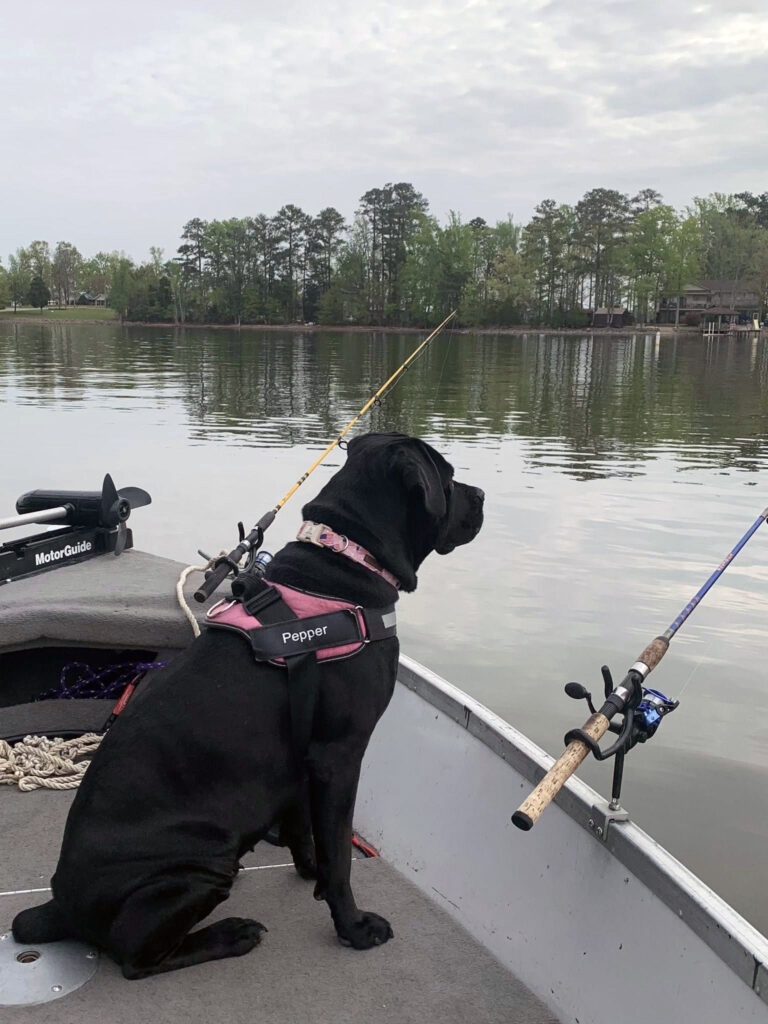
Alexander frequently fishes multiple rods at once, spreading them out to cover different depths and areas. This approach allows him to quickly identify productive zones. But he said when the bite is really hot, he’s forced to cut it down to two rods at the most.
Other lakes too
While Lake Murray is a standout fishery, the same principles apply throughout the Carolinas. Lakes like Tillery, Monticello, Jordan, High Rock, Waccamaw, Marion, Moultrie and numerous other resevoirs offer excellent shellcracker fishing in May, using these same tips from Alexander. ■

Be the first to comment