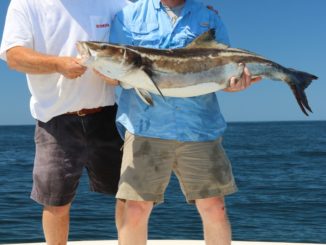
Cobia season will close June 20
South Carolina’s cobia numbers have been on a roller-coaster over the past 10 years after a relatively stable recreational harvest through the 1980s and 1990s.
While cobia move into South Carolina’s inshore waters this month, they can still be caught at nearshore and offshore reefs, and anglers fishing those areas usually don’t have to fight the large crowd of boats that line up in St. Helena Sound, the Broad River, and similar inshore haunts.
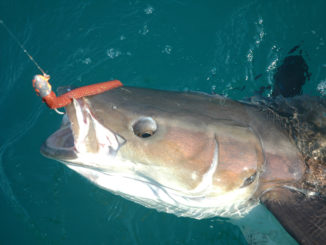
While Buddy Bizzell usually prefers live or cut menhaden for cobia bait, he said cobia aren’t picky about what they eat. A number of other baits are good choices.
Cobia, rachycentron canadum, are a pelagic fish — they travel the open ocean — but unlike most pelagic species, cobia also inhabit inshore waterways like the Broad River and St. Helena Sound, at least for short periods of time.
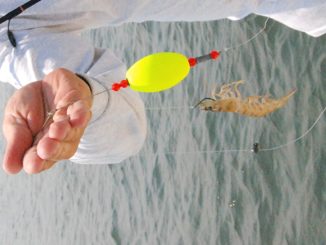
The audacity of man to believe he can create a fishing bait better then God’s own hands never ceases to amaze die-hard, live-bait anglers, especially when speckled trout are concerned. With bait moving back into the estuaries, here’s your pick of the best live baits for big specks.
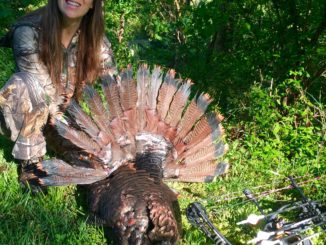
North Carolina has another state-record turkey, and a Kannapolis woman has her second state record.
Tammy Tucker killed a double-bearded gobbler on April 23 in Cabarrus County that will become the state record with the N.C. Bowhunters Association as soon as scorer Joey Thompson’s paperwork is accepted.
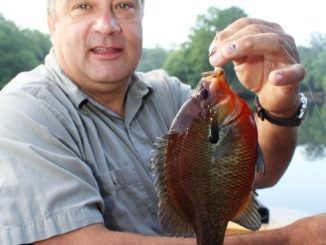
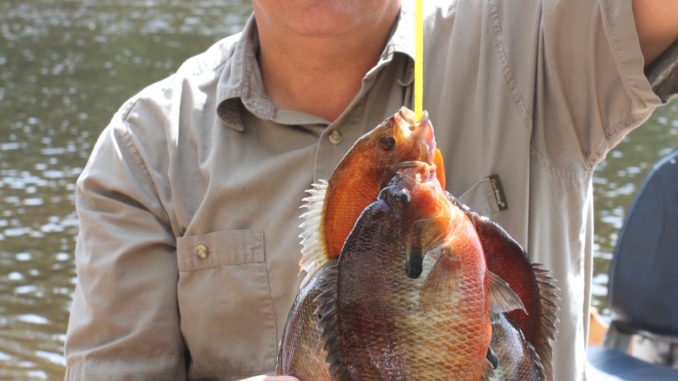
Panfish of various species are among the most-common fish found throughout South Carolina’s rivers, and for many anglers, one is held in the highest regard. The redbreast sunfish is a hearty fighter and so brightly colored that its name leaves no one wondering where it came from.
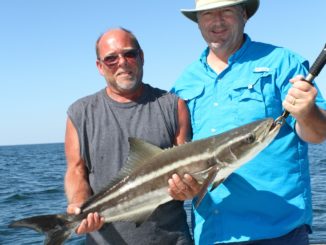
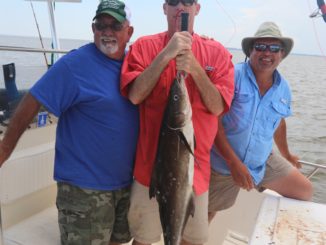
It’s cobia season, and while this year’s will be a shortened version thanks to new federal regulations, plenty of anglers will be lining up in St. Helena Sound fishing for “the man in the brown suit.”
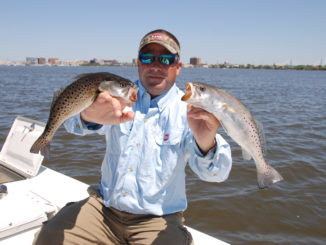
April showers may bring May flowers, but too much rain means muddy water, and South Carolina has had more than its muddy water over the past year. That’s just one reason that inshore fishermen in the Charleston area are dreaming of settled, stable weather on the horizon.
Spring fever has arrived along the coast, and a mild winter followed by a warm spring is setting up to make May a tremendous fishing month, especially for anglers with an affliction for the jazzy-colored dolphin.
Copyright 1999 - 2026 Carolina Sportsman, Inc. All rights reserved.