

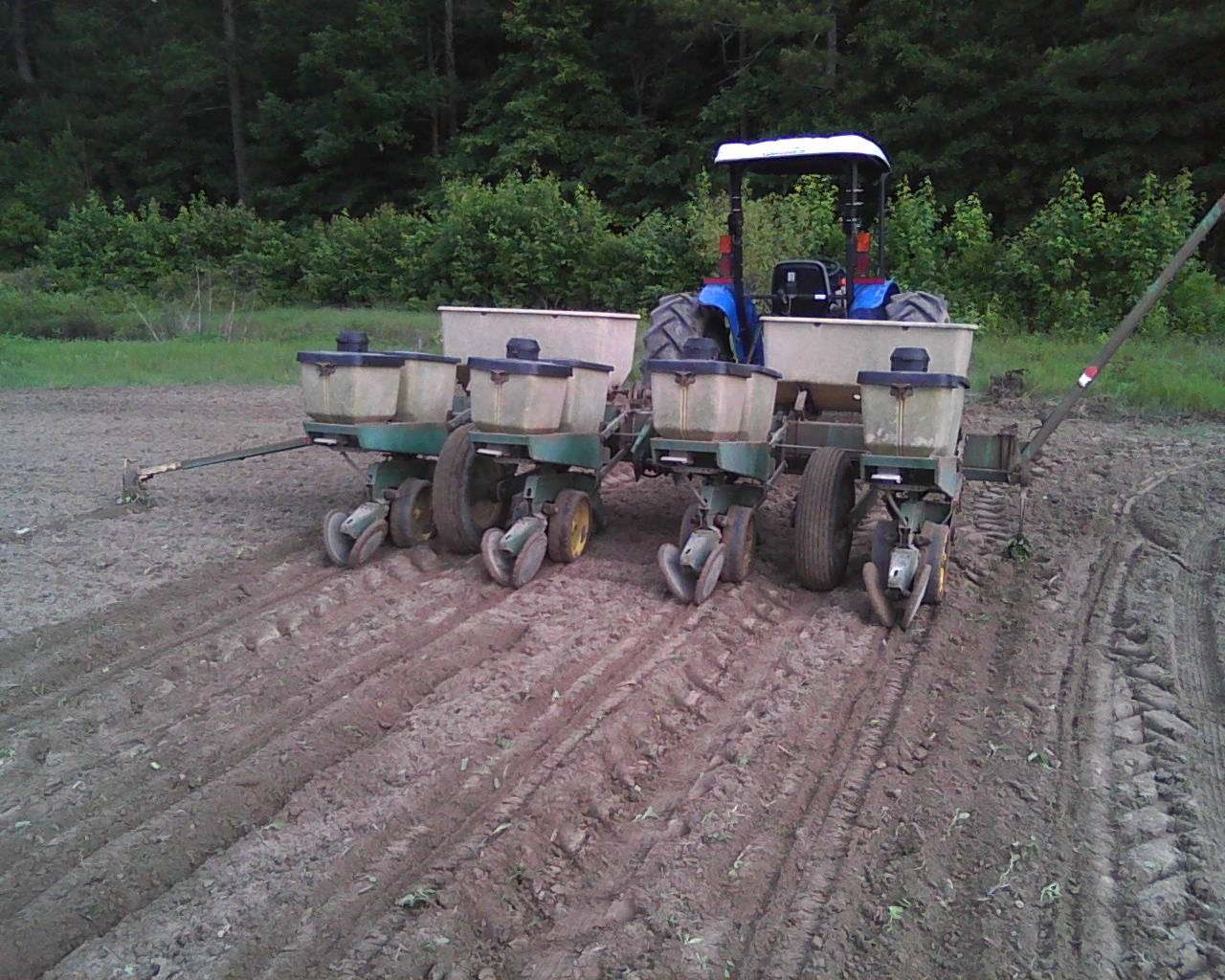
With turkey season on the immediate horizon, it is time to do some last-minute habitat alterations to improve hunting while staying within the law. Hunters can break out plows and disk harrows without crossing over the line, but there are some major concerns to keep in mind.
Turkeys are much like ducks when it comes to bait; they are extremely vulnerable, and hunting over baited fields is illegal — and that includes newly-planted food plots. Hunters need to be very careful when hunting around new food plots or newly-planted agriculture fields. Turkeys will glue themselves to a 50-acre field with 5,000 pounds of soybeans just barely covered by soil. The seeds are not only tasty, but they’re packed with nutrition and energy.
Instead, improve open areas to increase the attractiveness of the land for these feathered game birds. During the spring, wild turkeys are attracted to open areas for several reasons, including feeding on wild plants, young grasses and insects, and to meet up with potential mates.
Disking of spent crop fields, fallow areas or utility right-of-ways encourages spring growth and unearths some seeds remaining from last year’s seed crop — not to mention the tons of tasty insects that live in these areas.
Any turkey hunter knows that turkeys are attracted to open areas for mating, too. Turkeys want to be able to strut their stuff in the wide open so they can show everybody what they have to offer. Open areas are wonderful places for turkeys to visit during the mating season — and even better places for hunters to set up.
Creating and maintaining clearings just before the turkey season is a sure-fire way to attract the flock in a legal way and make that opening day one for the books.

Be the first to comment