

Charles Ruth of the SCDNR has studied thousands of harvested deer over a period of many years. He has concluded that the period between the summer patterns and peak of the rut represents some of the best deer movements of the entire season.
“A lot of discussion occurs about the rut and when the rut starts or peaks,” Ruth said. “For the majority of the state, there is a definite period we can link to the peak of the rut. There is some minor variation in a small area of the Lowcountry; it may occur earlier by 10 days in that small area and maybe two or three weeks later in the mountains — again a fairly small area of our state.
“The majority of the deer mating is between Oct. 20 and Nov. 10th, but if you extent that to Nov. 20, the percentage is about 83 percent. That data comes from literally checking thousands of deer.”
Ruth said a deer’s actual biological changes from the early season to the rut creates a prime opportunity for hunters.
“In the lower part of the state where we have early season opening, there will be about three days of good potential to take deer,” he said, “but deer wise up quickly and then become very difficult to see for several weeks, and often I’d classify the hunting as poor.
“During this early season, deer are in bachelor groups, and there is no animosity between them; all is well, and they have regular routines for moving and feeding. But after hunters take to the woods and kill a few, they dramatically alter their patterns. They have great survival instincts.
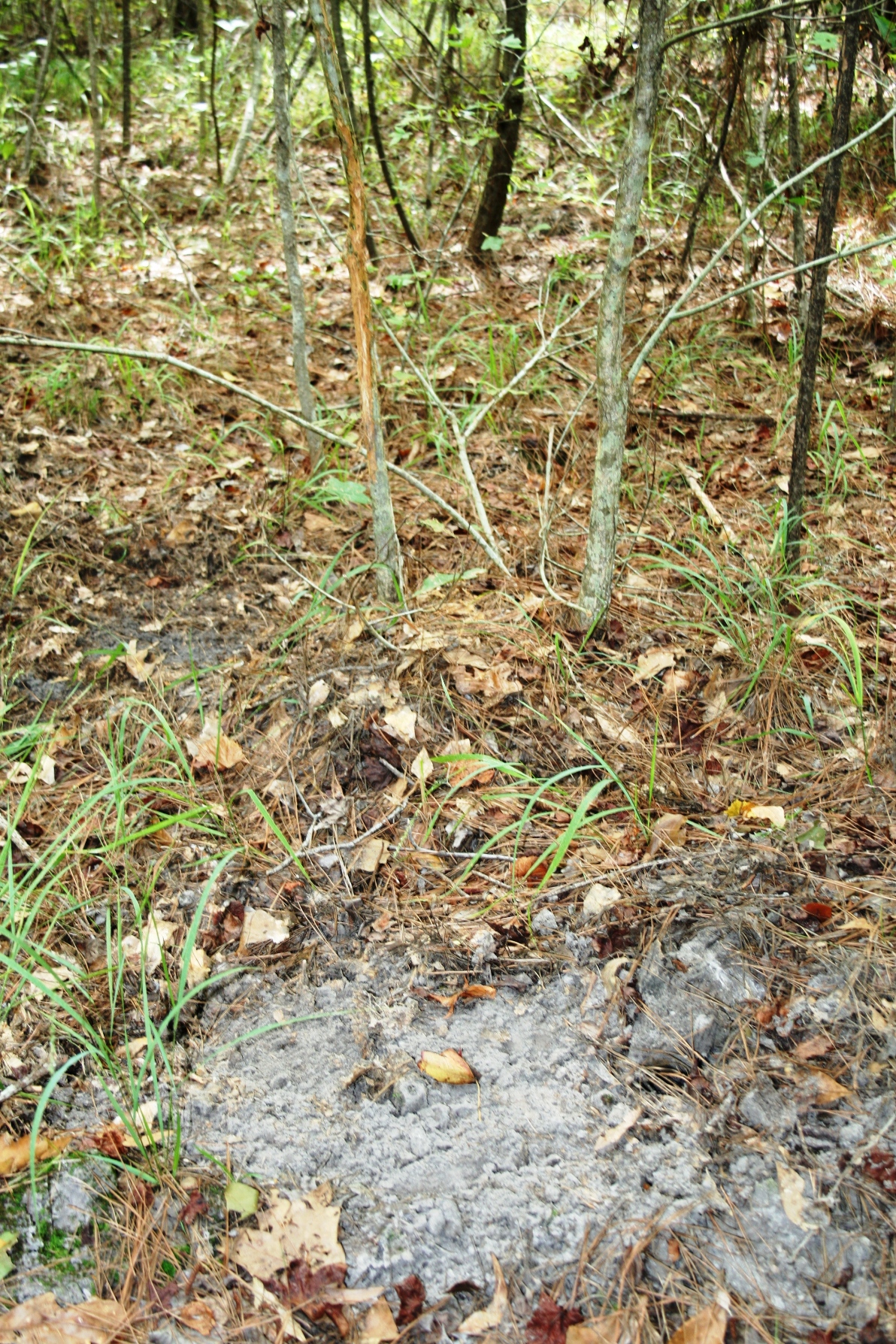
“Toward the end of September, things change, and it’s hormonal,” Ruth said. “Bucks begin to get ready for reproduction; their coats being to change; bachelor groups are gone; (and) they begin to muscle up as they transition into being ready for the rut. They begin to strive for dominance as well. They begin to leave more sign in the woods with rub sign and scrapes.
“When the scrapes start showing up, they are on the move and are looking for does, but the fact is, only a few does are receptive at this time, so competition is great, and deer movements are plentiful. Also, cooler weather has a real impact on deer behavior. When we get those cooler days in late September and early October and the temperature feels great to us, it also feels great to deer and they move more.”
Ruth said he has a simple analogy why the transition to pre-rut can provide such good hunting.
“Its almost like a high school dance, with the rut being the actual dance where everyone arrives at the dance as partners,” he said. “Not a lot of switching around occurs at this point. But the pre-rut would be like the parking lot outside before the dance, when everyone is jockeying for position and looking for dance partners. That’s what the buck deer are doing in a sense. Bucks are moving, looking, searching for does, and this large amount of moving make them vulnerable to hunters who have done their homework and are set up in the right place.
“As the peak of the rut nears, more and more bucks are staying with the does that are ready to breed, and that often leaves hunters to see fewer bucks moving,” he said. “The last part of September and the first three weeks or so of October are an excellent time to hunt. If I could pick and choose when I would do most of my hunting, that would be the time period I’d select.”


Be the first to comment