

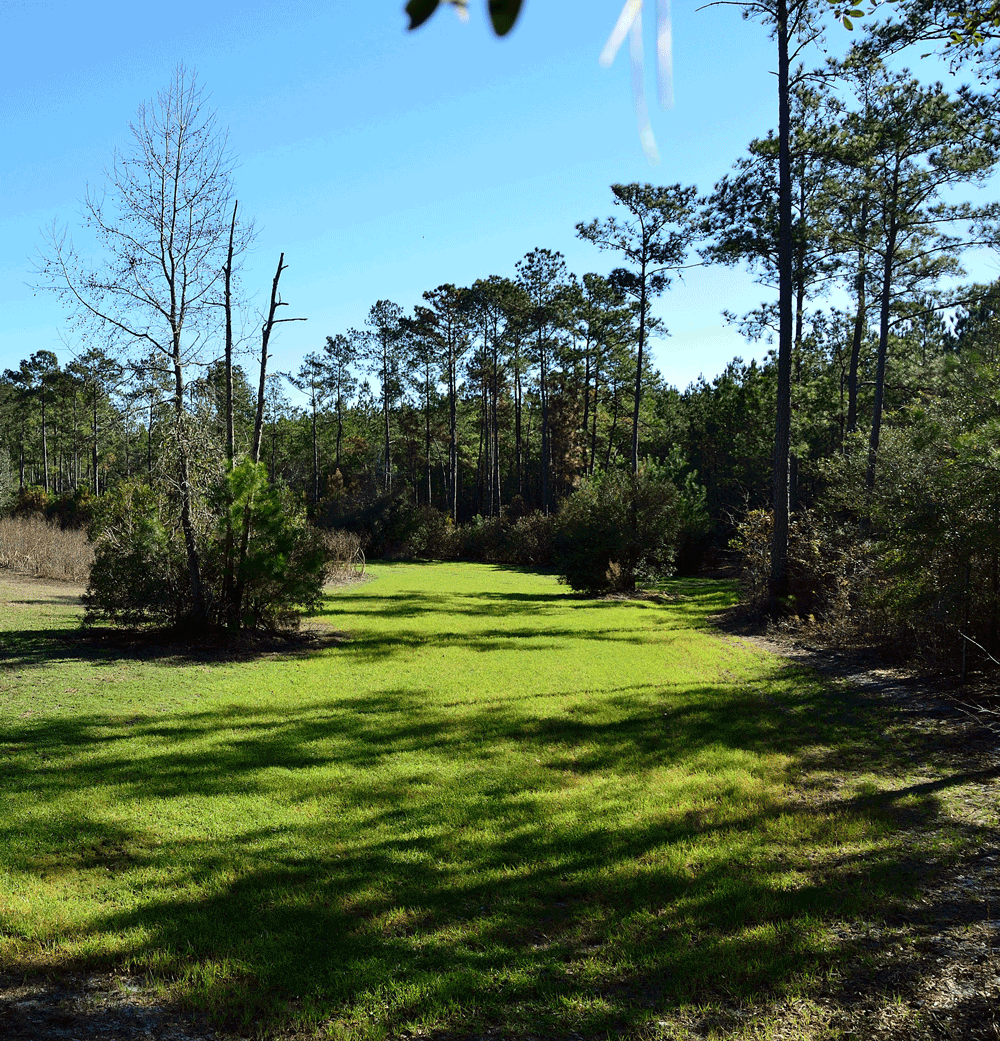
Cooling air temperatures in the fall trigger instinctive urges for wildlife to feed to avoid starvation. Yet the cooler weather and mating rituals also require deer to consume more energy-rich foods. Stable food sources will often centralize deer activity and can be an added benefit for concentrating deer in certain areas. Does and immature bucks will rely on these food centers for their daily meals, quickly making these sites ideal places to encounter a trophy buck.
In areas with natural foods or large agriculture fields of soybeans, peanuts and corn, deer will include these places into their daily travels. In fact, deer will choose new bedding areas and travel routes around consistent food sources.
Hunters often incorporate supplemental feeding with corn and sweet potatoes to keep deer around. While this bait will keep deer fat and happy, hunters must constantly replenish it on a regular basis, and constant baiting can be costly and contaminates the site with human scent.
Hunters should consider planting fall food plots that mature immediately after sowing. Food-plot seed varieties will offer nutrition after a short maturation period or immediately after emergence. Hunters should choose varieties that provide immediate forage availability. Also, varieties resistant to heavy browsing make the best choices. Seed mixes composed of mostly oats, winter wheat and winter rye will come up fast, but winter peas, clovers, American joint vetch and even chicory can be added to the mix to provide some added appeal. These seed mixes will offer deer a tasty meal and high levels of protein.
Often, these food plots are called “hunter plots,” but deer will continue to feed on them throughout the winter and until spring green-up. Even though the early season is the intended time to begin watching over these plots, they will provide deer and other wildlife with a season-long food source.
Make sure to fertilize properly before planting, especially the application of a nitrogen-heavy supplemental feeding. These food-plot varieties require adequate nitrogen in the soil to grow vigorously after heavy browsing. Use ammonium nitrate if available (two applications), but common lawn fertilizer (32-0-04) is a good replacement to boost the nitrogen content of the soil. If lawn fertilizer is used, stay away from any fertilizers with weed control. If planting a new plot, the soil will probably need phosphorus and potash, too. In that case, hunters can mix one part common lawn fertilizer with three parts general purpose 13-13-13 fertilizer. Nutrient application will get these plots moving in the right direction.


Be the first to comment