

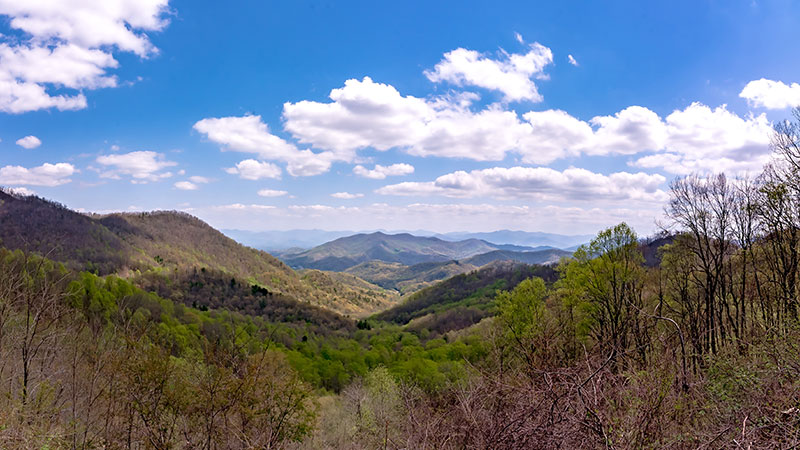
I went off the grid in Nantahala National Forest last January, when most people picked warmth over wilderness.
The forest felt stripped to its essentials. Bare hardwoods, dark evergreens, and silence seemed to stretch for miles. Winter camping here isn’t just about solitude. It’s also about preparation, including understanding the rules that make camping possible in the first place.
Before I ever packed my gear, I made sure I understood the permit situation. One of the advantages of Nantahala is that dispersed camping is allowed throughout most of the forest and does not require a permit, as long as you follow Forest Service regulations. That means camping at least 200 feet from roads, trails, and water sources, and avoiding any posted no-camping areas.
Many developed campgrounds require reservations and fees during the warmer months. Most of those are closed in January, so dispersed camping is the only realistic option. Knowing the rules ahead of time gave me confidence, and peace of mind, once I lost cell service.
The cold announced itself immediately. Mornings dipped well below freezing, and every breath turned to fog. I learned to move deliberately, collecting water before sunset, spliting firewood while my hands were still nimble, and planning meals that cooked quickly. My tent sat on frozen ground near a creek, and each morning it shimmered with frost like it had been dusted with glass.

At night, the forest felt vast. Without artificial light, darkness wasn’t empty, but was instead alive. Wind whispered through the trees, and an owl called from somewhere deep in the woods. I slept in layers, cocooned in a thick sleeping bag, waking occasionally to tend the fire as the temperature dropped hard after midnight.
Days were quiet and focused. I hiked ridgelines where winter views opened wide, the mountains fading into blue-gray distance. Ice coated rocks near waterfalls, turning familiar trails into careful negotiations. I welcomed the challenge. Every step demanded attention, and that focus cleared my mind.
Camping off the grid in Nantahala in January forced honesty. There was no distraction, only responsibility for warmth, food, and awareness. Yet in that responsibility, I felt free. The forest didn’t ask for anything but respect, and in return, it gave me clarity, humility, and a deep sense of belonging.
The Nantahala National Forest is made up of more than 530,000 acres. Elevations range from 1200 feet to 5800 feet.
No potable water is available in the Forest, so be prepared to filter water or bring your own.
Aside from hiking and camping, plenty of opportunities exist for fishing and ATV riding throughout Nantahala National Forest.
It’s tough to tear ourselves away from the comforts of home this time of year, but for those who don’t mind venturing off the grid, they’ll find some of the most rewarding experiences life has to offer.


Be the first to comment