
Bass Fishing
Rapala’s Scatter Rap Glass Shad
Some anglers refer to the plastic lip recently added to the Rapala Glass Shad crankbait as a “potato chip lip,” which is what it closely resembles. […]


Some anglers refer to the plastic lip recently added to the Rapala Glass Shad crankbait as a “potato chip lip,” which is what it closely resembles. […]

This month, I am stepping a bit outside of this column’s normal subject matter, but I feel strongly about this message. […]

Fly fishers need to know the four basic types of flies, including how to tie them and present them, before heading out in search of trout. […]

May is one of my favorite months to fish the Santee Cooper reservoirs, and while it’s mostly because of the great fishing, it’s also because of the typically great weather. […]
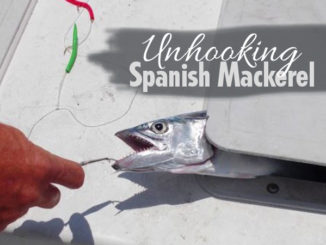
Follow these tips to avoid getting your fingers sliced while removing Spanish mackerel from your hook. […]
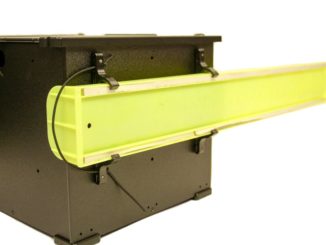
One of the biggest differences between a powerboat and a kayak when it comes to entering fish in a tournament is the use of a livewell. Since paddlers use cameras to capture photos of caught fish, having a handy measuring tool at your fingertips is a must. […]
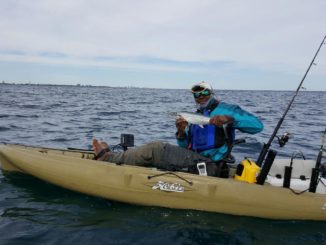
Fishermen in North Carolina and South Carolina generally look for baitfish, structure and water flow when fishing for Spanish mackerel. The primary places to find concentrations of the small mackerel are around inlets, in close proximity to wrecks and artificial reefs, and harassing schools of bait around natural structure. […]
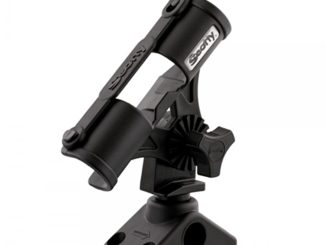
When it comes to bream fishing from a paddlecraft, especially with fly tackle, having a secure place to store your rod is critical. The problem is that while most fishing kayaks come with rod holders, they typically only fit spinning or baitcasting rods. Fortunately, you can buy aftermarket rod holders designed specifically for fly rods. […]
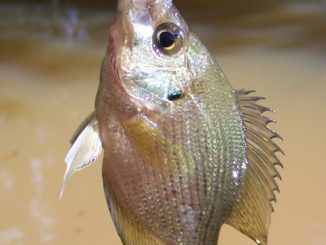
The first thing most anglers who catch their first flier think is that they’ve caught a hybrid bream/crappie. The flier, Centrarchus macropterus, is a sunfish native to muddy-bottomed swamps, ponds, weedy lakes and backwaters, mostly in the coastal planes in both Carolinas. The biggest fliers, which can live up to five years, get to about 12 inches and a pound. […]
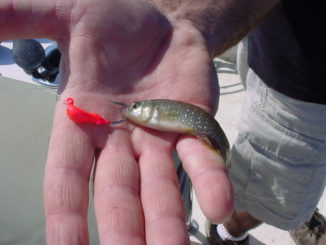
Few fishermen will argue that flounder prefer to feed in the lower third of the water column. Their body shape suggests that they spend most of their time along the bottom. As a result, lures and baits should stay on or near the bottom to capture a flounder’s attention. When using live bait, the choice of terminal tackle can make a big different in presentation. […]
Copyright 1999 - 2026 Carolina Sportsman, Inc. All rights reserved.