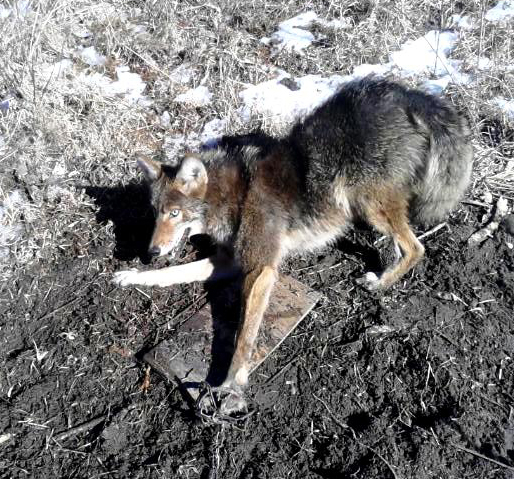
Coyotes are a big problem, despite loose hunting regulations
Historically, coyotes were not part of the ecosystem in the Carolinas. Before 1985, only five of North Carolina’s 100 counties had coyotes. Today, every county in both Carolinas has a thriving population of coyotes, with declines in deer populations reported. According to the SCDNR, South Carolina’s deer population has declined by 30 percent since 2002. And much of the decline is attributed to the coyote invasion.
In the Carolinas, female deer begin dropping their fawns in May and will continue through June. For their first few hours and sometimes days, fawns will be very susceptible to predation, even though their mothers will stay within hearing distance. Most does will stay away from their fawns right after dropping to draw any predator away from them.
Coyotes are keen on catching, killing deer fawns this time of year
Newborn fawns emit fewer odors than adults, which helps them hide from predators. But coyotes’ ultra-keen sense of smell makes young fawns vulnerable to them. With the population explosion of coyotes in the Carolinas over the past decade, recruitment of deer into the population has been extremely risky. It’s a numbers game, and coyotes have the advantage.
Even though the fur bearer trapping season closed in March, there is no closed hunting season on coyotes. And special depredation permits are offered to trap. However, no live coyotes can be transported off the property outside of the normal trapping season that runs from November through March.
May is the critical time to start taking coyotes out of the population if hunters are not already participating in eradication efforts on their properties. With most coyote litters ranging from five to seven pups, the level of depredation on deer and other native wildlife can become epic if these canines are not exterminated as soon as they arrive in this world. Don’t let these pests take out this year’s fawns. Kill a coyote today!