

Will McElveen uses typical scouting techniques employed by many hunters, but he also does a few things differently.
“Bucks are very wary all the time, so I use great care when scouting,” he said. “I’ll slip into the swamps during mid-day to look for sign in funnels along thickets and at the edge of creeks and swamp runs. I’ll use trail cameras, as well, but only check them occasionally to ensure I don’t intrude too much. When I find what I want, I’ll pick my stand site and stay out until I hunt that spot.”
But he has another technique that helps him target bucks in the areas he hunts.
“I’m fortunate to hunt in an area with a lot of agriculture fields, as well as thickets and swamps,” McElveen said. “While big bucks won’t always come out of the woods into the bean or peanut fields until dark, often they do, especially in the early season.
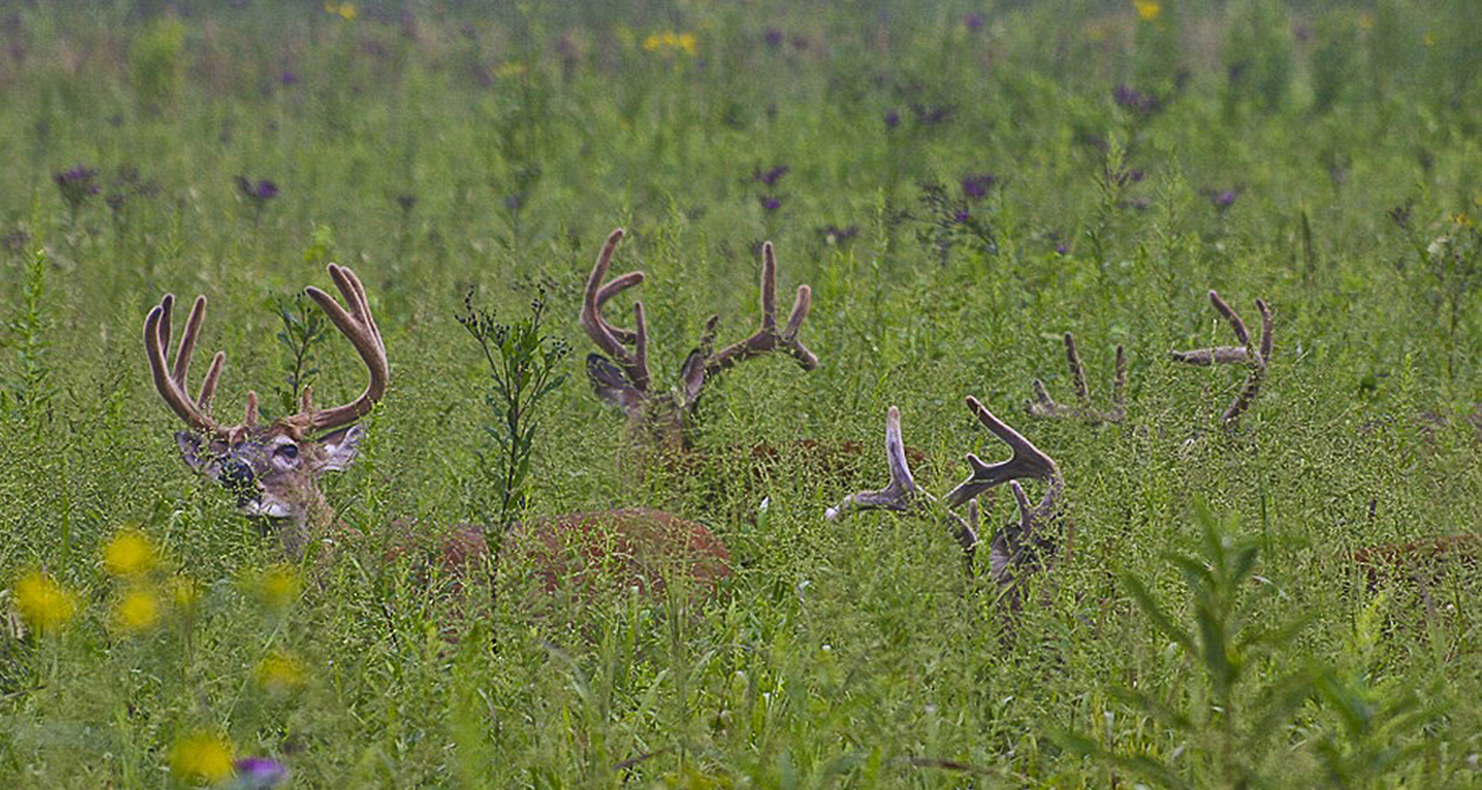
“I do drive-bys in my truck, looking for bucks in soybean and peanut fields. They’ll be in the corn fields, but you can’t see them until those fields are cut. But I am very careful and methodical about this tactic. As I drive down a paved road or a dirt road that winds though the fields, I look into the far-off corners and edges in the late afternoon and frequently use binoculars. My target is to see a nice buck several hundred yards away. When I do, I mentally mark where I see him, then I leave the area without spooking him. I’ll come back mid-day the next day and slip in to the spot where I saw him. I wear rubber boots and no-scent clothing, and usually it’s pretty easy to see where they are exiting the woods and walking into a the field to feed.
“I pick a stand site and will be back with my climber when the wind is right. I’ll get there early, climb high and often will see the buck or sometimes several bucks.
“That’s when the hard work pays off.”

Be the first to comment