


When a wounded deer is lost, tracking dogs save the day
When a hunter releases an arrow or pulls a trigger, the ideal result is a quick, ethical kill. But even the most careful shot can occasionally result in a poorly-hit deer.
In those moments, when blood trails fade and uncertainty grows, a well-trained tracking dog can turn disappointment into recovery. Across the Carolinas and beyond, hunters are increasingly recognizing the value of using dogs to track wounded deer. It’s a time-honored practice that blends patience, discipline, and the incredible scenting ability of man’s best friend.
Born from necessity
Two South Carolina hunters, Bryan Goodwin and Julio Morejon, used their personal disappointments involving lost deer as a springboard to bringing together a large network of dog trackers across the Palmetto State.

Many of these trackers and their dogs were already available for hunters needing help. But when Goodwin and Morejon founded South Carolina Tracking Dogs, it gave hunters a much easier way to find them all.
Now, no matter what game zone a hunter is in, if a tracking dog is needed, they can find options quickly at southcarolinatrackingdogs.com. The organization also has a Facebook group, as well as the TRAKR App, which is available on Google Play and the Apple App Store.
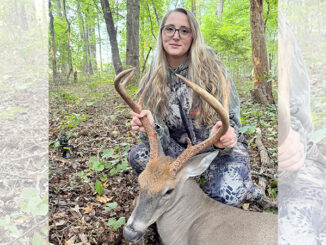
For Goodwin, it was the failure to find his daughter’s trophy buck that prompted his involvement with tracking dogs.
“I didn’t set out to become a deer tracker, but it started when my 12-year-old daughter shot a nice 10-pointer that we couldn’t recover,” he said. “She was heartbroken, and when I found that buck weeks later, it lit a fire in me to learn how to track.”
Even though he’d always had a knack for tracking deer, he learned then how much more important it can be.
“That moment gave it purpose,” he said. “Since then, I’ve tracked for friends, neighbors, and strangers. It never gets old seeing the relief when we recover a deer that seemed lost.”
No cost involved
For Morejon, it was the failed attempt at recovering his own deer that led him to tracking.

“About 9 years ago, I lost a nice buck because of my inexperience,” he said. “That stuck with me, so I got a hound, trained it, and started helping fellow hunters out of a predicament I once found myself in.”
Morejon stresses that none of the trackers associated with South Carolina Tracking Dogs charges a fee for coming out to track a deer. He also points out that they fully check out all the trackers before adding them to their network.
“We don’t make money off trackers or hunters,” he said. “There’s no financial incentive behind it. Our goal is simply to raise awareness and give hunters access to a vetted list of trackers they can trust – not someone who’ll take their money and disappear.”
Basically, Morejon and all the trackers in SCTD’s network want hunters in the Palmetto State to know that when they’ve lost the trail of a deer that’s been shot, all hope is not lost. With SCTD-approved trackers in all of South Carolina’s game zones, help is just a phone call away.
McCutchen Game Recovery
Kyle McCutchen of McCutchen Game Recovery handles tracking duties in Game Zones 3 and 4, and does it for the same reasons as Morejon. He loves seeing the dogs work, loves helping other hunters recover deer that would otherwise be lost, and believes in the importance of keeping deer from unnecessary suffering. He also enjoys meeting all the people he encounters along the way.
He explains one recovery his tracking dogs, Leroy and Rip, made in early October when he got a call from Jason Mosueda.

“We received a call from Jason around 9:30 p.m. stating he had shot a buck in the guts around 7:30 and wanted some assistance from the dogs,” said McCutchen.
Mosueda had tracked the deer for about 150 yards but was afraid of pushing the buck further without assistance. Once the dogs arrived, it was easy to see that he made the right call.
Quick work for the dogs
“We arrived about 11:30, and before I could look at the signs that Jason had found, Leroy and Rip were already doing their thing,” McCutchen said. “The dogs ran the track straight to the 430-yard mark where they caught up with the buck.”
As is often the case with a wounded deer, this one jumped up and made a run for it. But unlike being jumped by a human, then disappearing into the brush, a well-trained dog simply follows the scent right to the deer. And that’s exaclty what happened in this case.
“The buck ran to the 465-yard mark. Then, Leroy and Rip began to bay,” said McCutchen. “I was able to get to them and dispatch the deer for a successful recovery.”
McCutchen said Mosueda’s decisions were key in the recovery of the buck. Many hunters either search for hours until they give up without calling for help, or are too embarrassed about making a less-than-perfect shot to call for backup.
The smart choice
The smart move is to call for the dogs. Humans search by sight alone, and that’s very ineffective when deer have trees and brush to hide, streams and ponds to cross, and depending on the severity of their wounds, the ability to travel great distances quickly, leaving humans in the dust. Dogs, on the other hand, use their noses, so deer have a much more difficult time eluding them for long.

“Jason made the right choices in backing out to not push the deer, and in calling for seasoned tracking dogs,” McCutchen said. “Him making those choices allowed us to recover this buck. It also kept the deer from suffering for hours, if not days.”
Some tracking jobs are much shorter than this, and some are considerably longer. They all have one thing in common: the chance of recovering the deer increases dramatically with the help of tracking dogs.
Remember, no matter what game zone you’re in, there’s a South Carolina Tracking Dog waiting to help you, and at no cost. Don’t let a wounded deer suffer for hours or days. And don’t let it die for no reason. Whether it’s a trophy deer, or simply meat in the freezer, it’s worth recovering.
Check out South Carolina Deer Trackers to find a tracker near you, and follow their Facebook page to see all the recoveries their trackers make.
Be the first to comment