

Santee cats have plenty of bait to choose from
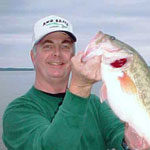
Scott Cole is a catfish guide at Santee Cooper who understands the key to catching catfish on a year-round basis.
“Find their favored chow and you’ll find plenty of catfish,” the veteran guide from Shelby N.C. said. “But sometimes it’s not as simple as it sounds to pinpoint the right forage on a given day. The catfish at Santee Cooper annually have multiple forage options. And even during winter, fishermen must consider everything on their menu.”
Cole said annual forage options include threadfin and gizzard shad, white perch, bream and other finfish. But by December, and into January, menhaden move into Lake Moultrie and that can be a localized game-changer. Finding this forage rockets to the top of the favored catfish-chow list.
Menhaden are a species of herring found in Atlantic coastal waters and their silvery color is highlighted with a distinct black spot behind their gill opening.
Seasonal forage is a common theme in the Santee Cooper lakes, but the system has a huge advantage over many lakes in that it’s linked to baitfish migrating from the Atlantic Ocean.
This saltwater link is a huge factor. It’s how the ocean-run blueback herring and American shad move into the lakes during the spring, creating abundant forage for multiple species of fish.
Menhaden in Santee
The annual forage influx of menhaden creates a dynamic fishing opportunity, but only in localized areas, Cole said. This small, oily fish creates a seasonal forage that catfish (and stripers) can’t resist.
Cole said when the menhaden move into Lake Moultrie from the Cooper River, the catfish go crazy for this food source.
“Menhaden congregate in Lake Moultrie, primarily near the Pinopolis Dam,” he said. “Like shad, they get into huge schools, often relating to deep water and are easy to spot with electronics.”
He said the menhaden schools attract hordes of catfish and he’ll use menhaden for bait when targeting these schools.
“We’ll catch menhaden for bait at night because they’re higher in the water column then and easier to catch,” he said.
Cole marks the huge schools of menhaden with his graph and then targets that area for drift fishing.

“Menhaden are good used whole or cut. But I often cut the menhaden into chunks or butterfly-cut the sides so they’ll flap as they drift. This provides both scent and visual attractions,” he said.
Different depths
Cole targets different depths in the water column by fishing vertical rigs as he drifts, targeting specific depths for suspended catfish.
“Big catfish move up in the water column to eat menhaden. So while fishing the bottom is important, I keep baits in multiple depths in the water column,” he said.
Where do menhaden come from and why do they move into the Santee Cooper lakes? Good question, but scientific data is not abundant for Lake Moultrie’s link to menhaden.
But SCDNR Region IV Fisheries Coordinator Levi Kaczka does have some menhaden data that links their connection to Lake Moultrie.
Kaczka said biologists performing annual gill net sampling on Santee Cooper catch menhaden nearly every year, and they show up from December to February.
“We get them throughout all three months, and data suggests they’re more abundant earlier in this period, specifically in December and January,” he said.
Lower Lake
“They’re primarily found in the net samples in the lower half of Lake Moultrie, and it’s uncommon to catch them in Lake Marion.
“It’s likely they’re coming through the lock at Pinopolis Dam and moving around in schools in the lower half of Lake Moultrie,” Kaczka said. “Given that adult menhaden spawn off the coast, and peak spawning is thought to be the winter months, I would imagine the fish we see are juveniles that simply made their way upriver in search of food and end up in the lake.”
He said they hang around in that localized area for a while. And since they’re a localized forage for a limited time, menhaden are likely not a key to the survival of the catfish population as a whole. But it’s a welcome bonus for the fish and fishermen.
Menhaden are certainly a bonus to Scott Cole who tracks this localized resource and goes to the trouble to catch them at night with cast nets. All so his clients can reap the pole-bending rewards of fishing with this unique forage within the narrow window of time and the localized areas they’re found.
Baitfish bonus:
Menhaden are a unique forage for catfish in the Carolinas, because not all lakes provide easy access to saltwater where these baitfish migrate from. Lake Moultrie’s catfish don’t depend on menhaden to survive, but they certainly seem to prefer them when the opportunity is present.
Be the first to comment