

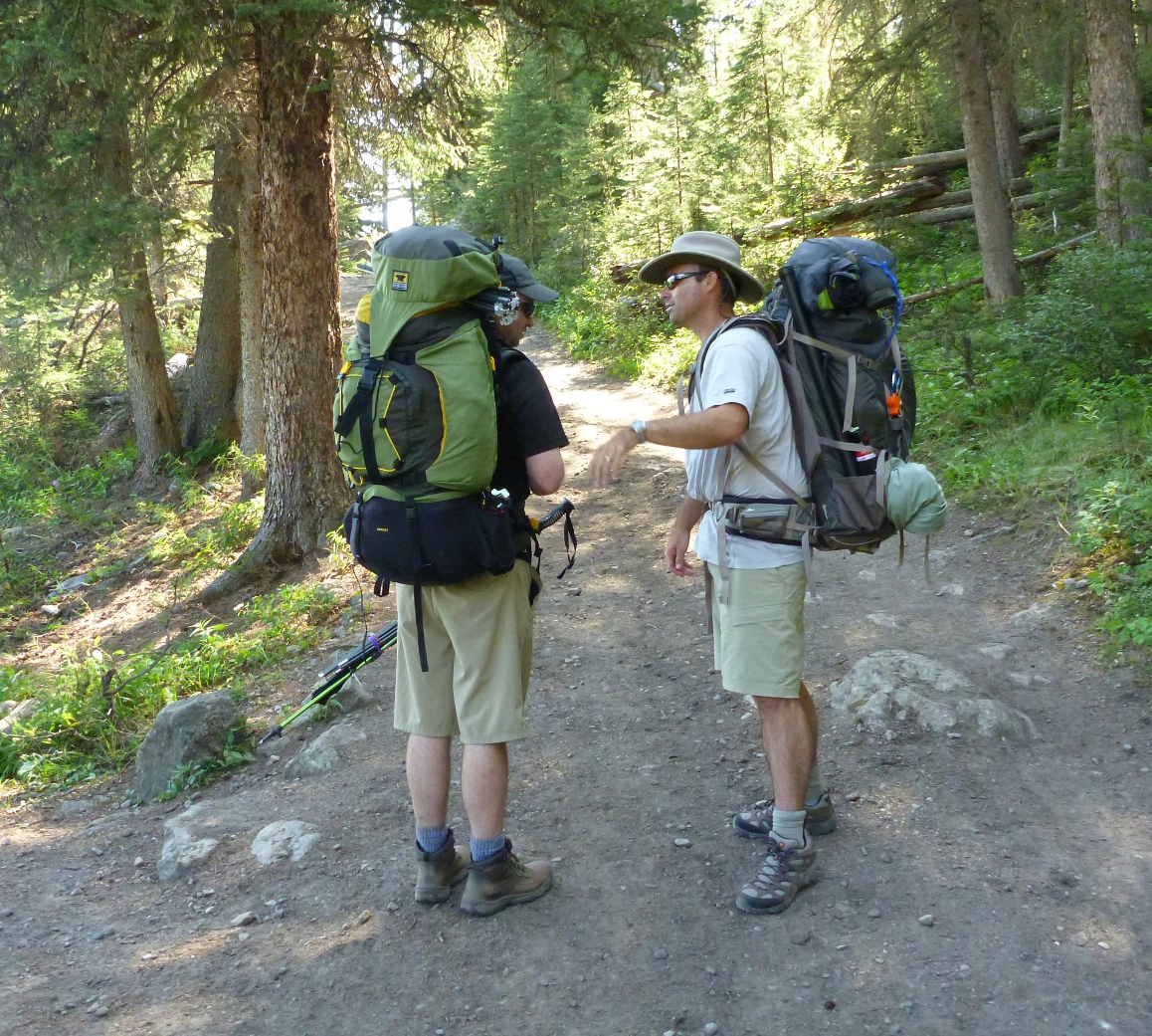
The mountains contain mile after mile of trout streams tumbling from the steep slopes of the Appalachians, with thriving populations of wild trout, beckoning anglers to try the backcountry. However, the elements can fight back and change the lives of outdoor enthusiasts when least expected.
Anglers can take many routes into the wilderness, but without proper safety gear and a detailed expedition plan, unexpected issues can ruin trips for the most-advanced woodsmen.
To begin with, always tell someone the specifics or your trip, including the timetable, dropoff locations, maps and itinerary. Anglers should also take a map with them and be familiar with the map.
Second, important safety gear should be stowed away in a small backpack and carried at all times. Safety gear is very important, even on day trips when a typical gear list is a bottle of water, a candy bar, fishing gear and no safety gear. Just as for multi-day trips, hikers will take along a list of gear items they need. Anglers should always carry a collection of survival items, including a water bottle, Steripen water purifier (or iodine tablets), several energy bars, fire starter, emergency poncho, first-aid kit, knife, whistle, compact space blanket, 2 to 3 feet of aluminum foil (folded), and 100 feet of parachute cord.
Last, the mountains of western North Carolina are full of black bears. While it is very rare for black bears to attack humans, there is a history of bear attacks. Typically, tragic human-bear conflicts occurred when a cub and sow were involved. Female black bears with cubs will violently defend their offspring, but an attack from a male bear is not entirely off limits, either. The most-effective method to survive a charging bear is high-volume pepper spray specifically made for repelling bears. The bear spray can be carried in a holster and should be sprayed right in the bear’s face when charged.




Be the first to comment