

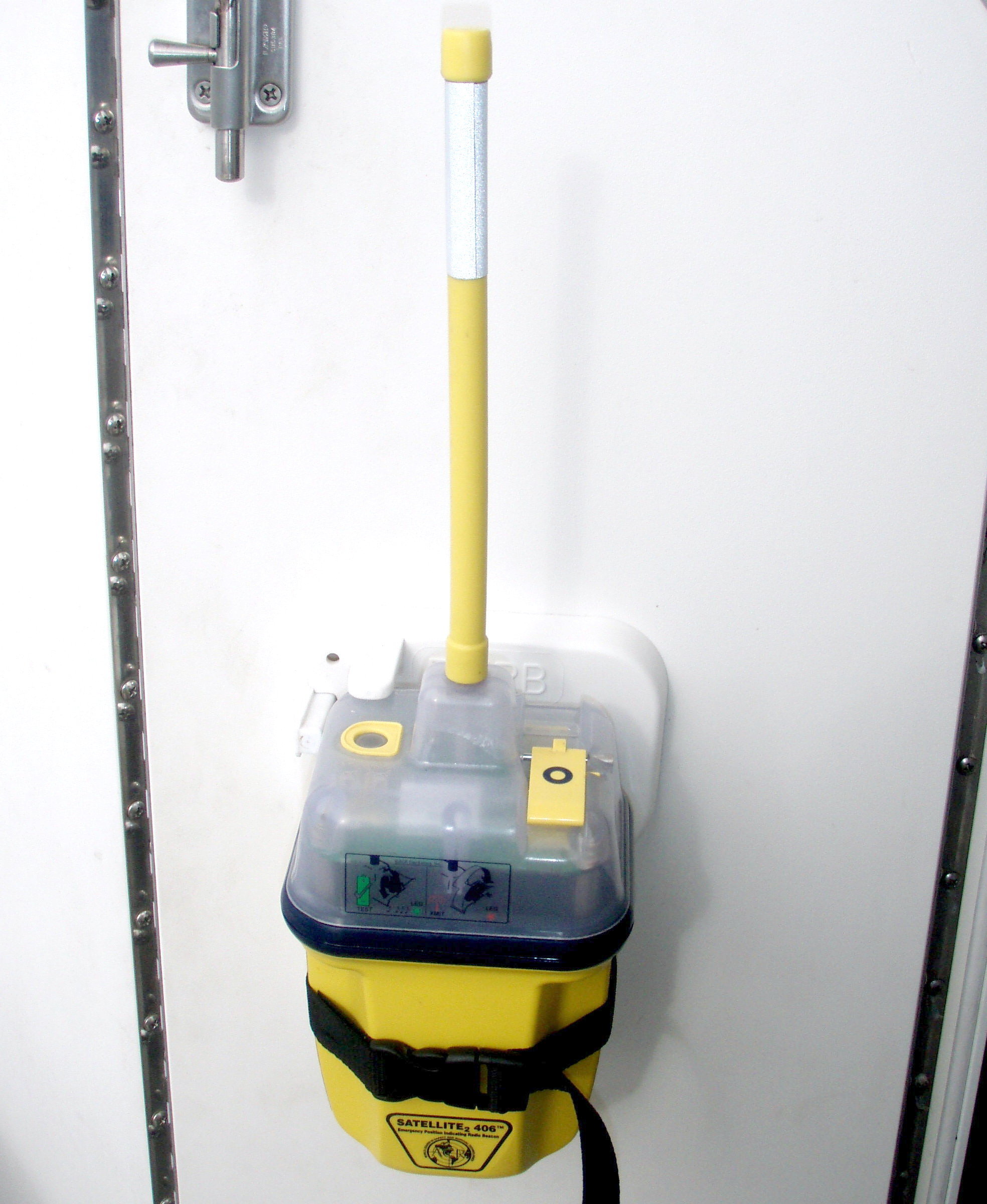
Analog EPIRB 121.5/243 MHz Signal Will no Longer be Monitored
Beginning next month, search-and-rescue satellites will no longer process the 121.5/243 MHz signal transmitted by older analog EPIRBs.
The Coast Guard is reminding mariners to replace these EPIRBs with the newer 406 MHz beacons by Feb. 1. The 406 MHz signal is 50 times more powerful than the 121.5, allowing better detection and providing a more accurate search area for rescue authorities, according to the Coast Guard.
Also, the number of false alerts with digital beacons reportedly is significantly lower than with analog units. Satellites are incapable of distinguishing between beacon and non-beacon sources using analog frequencies, resulting in only about one in five alerts coming from a beacon, according to the Coast Guard. False alert signals can come from ATMs, pizza ovens and stadium scoreboards.
With analog beacons, the only way to determine if an alert is an actual emergency is to send rescue crews to the area, which costs thousands of dollars, takes resources away from actual emergencies and puts the lives of responders at risk needlessly.
EPIRB users can register their beacons in the U.S. Beacon Registration Database at www.beaconregistration.noaa.gov or by calling (888) 212-SAVE.
EPIRB owners are required by law to provide emergency contact information and a vessel description by registering their beacons with the National Oceanic and Atmospheric Administration. This lets search and rescue personnel quickly confirm if a distress signal is real, and identify who and what type of boat or aircraft to look for. It also means accidental activation of an EPIRB may be resolved quickly with a phone call to the owner.
EPIRB registration needs to be accurate, complete and current. When buying a used beacon, the new owner needs to register it with the new information.
Beacon registrations must also be updated at least every two years or when information such as emergency contact phone numbers and other vital information changes. Registration information is only available to authorized search and rescue personnel.
Be the first to comment