

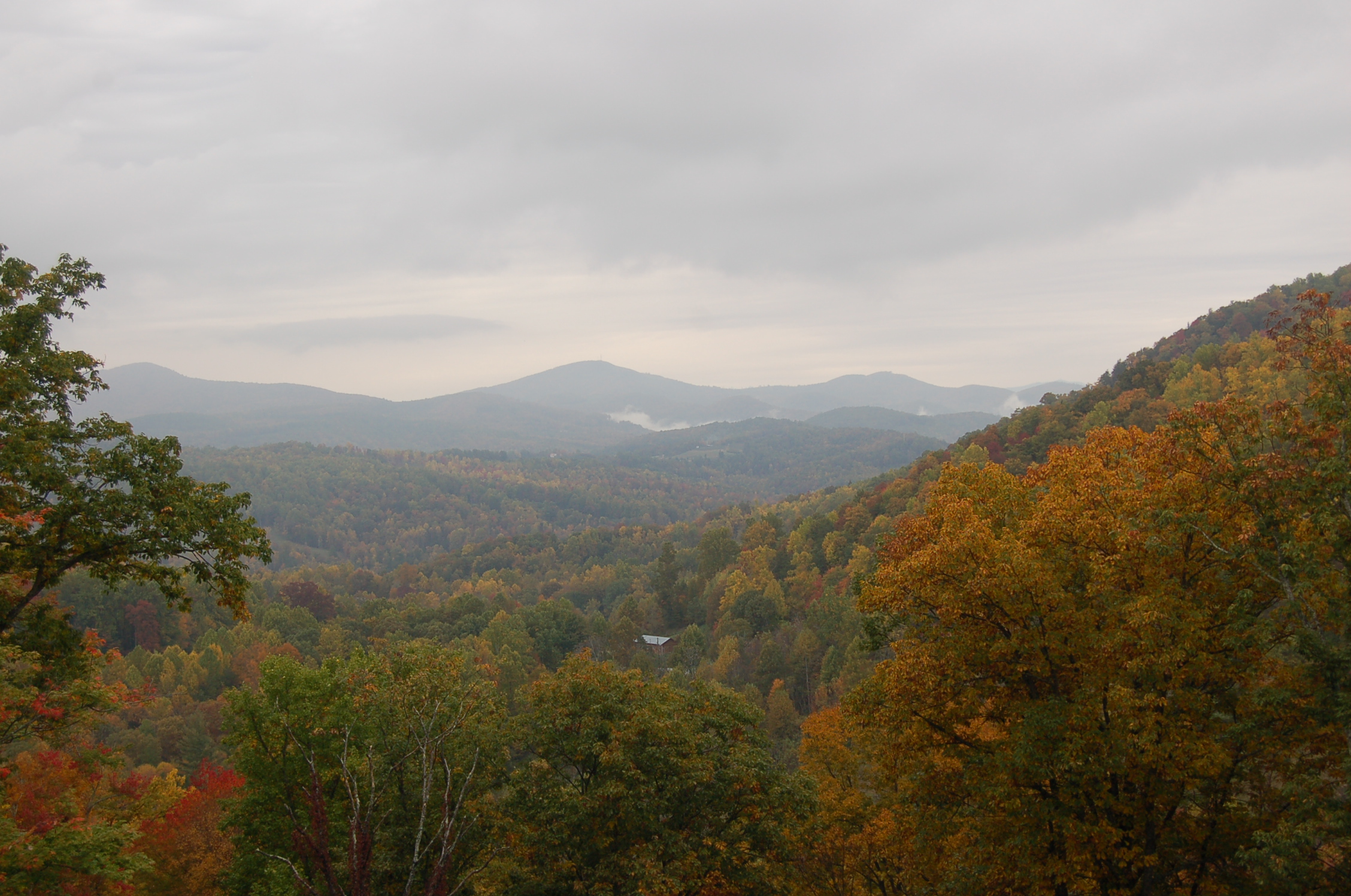
Wildlife populations need more timber harvest, prescribed burning
Plans to manage the Pisgah and Nantahala national forests over the next 15 years are up for discussion, and sportsman have five opportunities to speak out for their interests over the next four weeks.
The U.S. Forest Service is holding a series of public meetings to receive input from sportsman on the Land Management Plan, and the forest service and N.C. Wildlife Resources Commission is urging them to attend meetings and make requests so all important issues can be identified. The meetings, which begin at 6 p.m., are as follows:
* Feb. 25, Appalachian Ranger District: Mars Hill College, Broyhill Chapel, in Mars Hill;
* March 5,Tusquitee Ranger District: First Baptist Church in Murphy;
* March 12,Grandfather Ranger District: McDowell Tech College, Room 113, in Marion;
* March 18, Pisgah Ranger District: Transylvania County Library in Brevard;
* March 19,Nantahala Ranger District: Tartan Hall in Franklin;
The Pisgah and Nantahala National Forests cover more than one million acres in western North Carolina, playing a very important role in providing sportsmen a place to hunt and fish, but things aren’t looking too good for wildlife. Over the past two decades, timber harvests and prescribed burning are down, directly impacting habitat for deer and other wildlife species.
According to Gordon Warburton, the N.C. Wildlife Resources Commission Mountain Eco-region Supervisor, hunter participation remains high, but satisfaction continues to dwindle on the national forests.
“Our deer populations are down from their historic levels on the Pisgah and Nantahala national forests,” he said. “The lack of active management is deteriorating suitable habitat. A more aggressive timber harvesting strategy to improve habitat is needed as a component of the new plan. More habitat will produce more deer and promote habitat for other wildlife species.”
Warburton and other wildlife managers fear that the new play will further discourage timber harvests and place a greater emphasis on activities not related to hunting or improving wildlife habitat.
Be the first to comment