

November brings a special rhythm to the Carolina coast, one that seasoned anglers look forward to all year. As the days grow shorter and the air cools, the waters stretching from the Outer Banks of North Carolina to the salt marshes of South Carolina come alive with migrating baitfish and feeding gamefish. While summer crowds fade, dedicated fishermen find some of the best action of the year across the inshore and nearshore zones of both states.
North Carolina
In North Carolina, the cooler water temperatures around Wrightsville Beach, Topsail Island, and Morehead City signal an explosion of fall fishing activity. Speckled trout are at their peak, feeding aggressively in creeks, inlets, and around oyster beds.
Anglers cast soft plastics on jigheads, especially in natural colors like silver or shrimp pink, to mimic the abundant mullet and glass minnows.
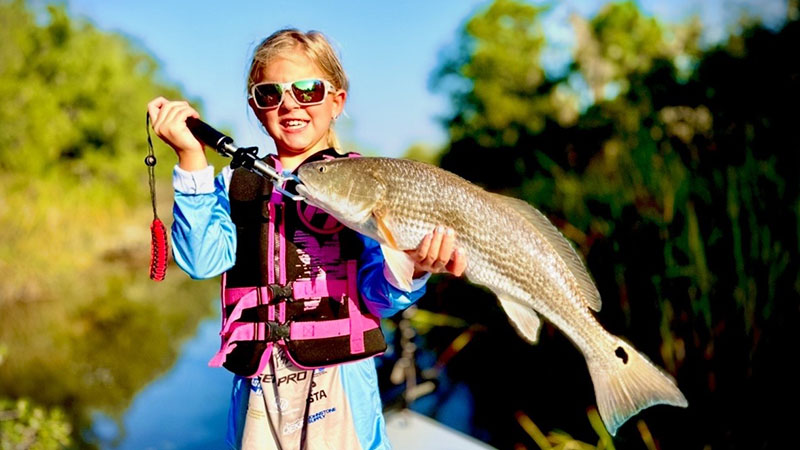
Live shrimp under popping corks remain a tried-and-true option for those targeting trout in the lower tidal zones. Redfish are also plentiful, often forming large schools that patrol shallow mud flats during sunny afternoons. Gold spoons, paddle-tail swimbaits, and fresh cut mullet baits all draw strikes from these powerful fish.
Farther offshore, November marks one of the best times for king mackerel fishing. The nearshore reefs and wrecks are loaded with these fast predators as they chase schools of menhaden moving south. Anglers trolling live baits like cigar minnows or slow-trolling bluefish with downriggers often hook into kings exceeding 30 pounds. In between kingfish bites, false albacore, Spanish mackerel, and even the occasional mahi may join the mix when the water remains warm enough early in the month.
South Carolina
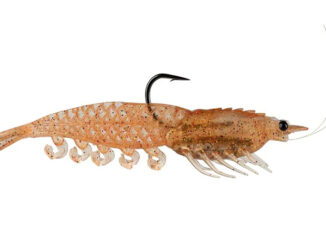
South Carolina’s coast mirrors much of this action but adds its own flavor with its maze of tidal creeks, broad estuaries, and fertile inlets. Around Charleston, Beaufort, and Hilton Head Island, November is prime time for redfish. As the marsh grasses turn golden, reds become easier to spot against the backdrop, feeding on shrimp and crabs along oyster-laden banks. Sight-casting to tailing fish on low tides provides an exciting challenge for light-tackle anglers. Artificial shrimp and small crab imitations fished slowly near the bottom often tempt the most cautious fish.
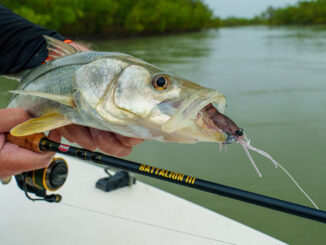
Speckled trout also thrive in South Carolina’s coastal waters during November. The Wando and Ashley rivers, as well as the creeks around Murrells Inlet, hold heavy concentrations of trout when the water stabilizes in the 60s. Topwater plugs worked at dawn can produce explosive surface strikes, while jerkbaits and soft plastics shine as the sun climbs higher. Black drum and sheepshead also move into nearshore structure and bridge pilings, offering variety for anglers seeking a mixed bag of hard-fighting inshore fish.
Along the South Carolina nearshore reefs, the king mackerel run continues until colder weather pushes them farther south. Bottom fishermen take advantage of calm days to target black sea bass and triggerfish, which gather tightly on reefs and ledges.
November’s mild weather and active fish make it one of the finest months for saltwater fishing in both Carolinas. Whether chasing speckled trout in a quiet marsh creek, watching redfish tail in the shallows, or trolling the reefs for kings, anglers find that fall’s fading warmth brings some of the year’s most memorable catches along the Carolina coast.

Be the first to comment