

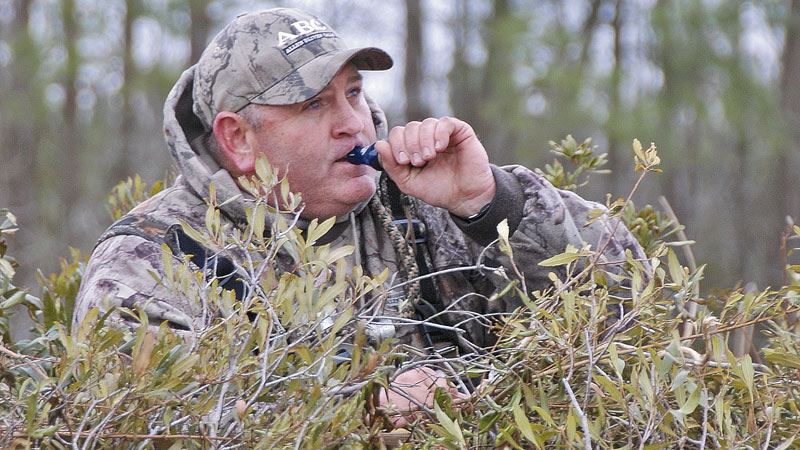
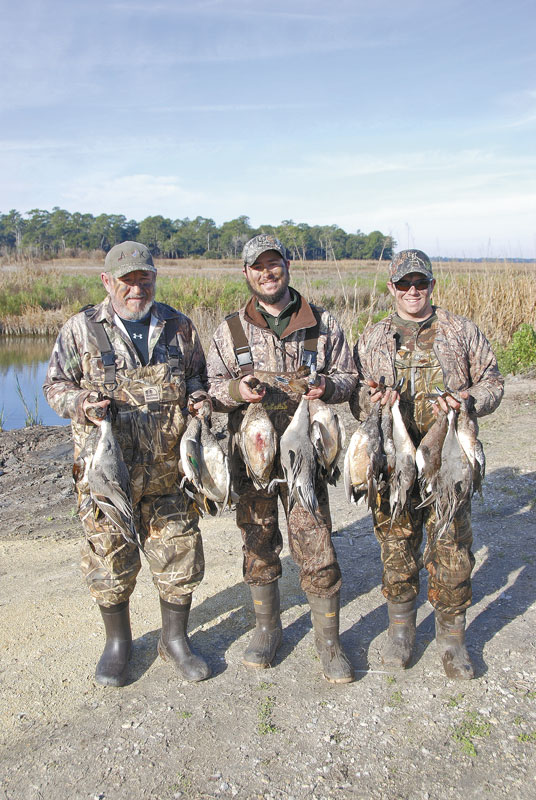
When waterfowl season kicks off in the Carolinas this month, be ready for the birds that are already around, and don’t treat them like migrating ducks.
The long-awaited waterfowl season kicks off this month, bringing with it the usual challenges and rewards. Both Carolinas have split seasons that really kick in this month.
Most waterfowlers agree that the November segment is often quite different from hunting in December and January as far as weather, food sources, and movements of ducks.
These tips should help you make the necessary adjustments to make the most of your November duck hunts.
Hunt The Ducks You Have
Dean Harrigal, former waterfowl biologist (now retired) for the S.C. Department of Natural Resources, suggests not waiting around for birds that might make their way into the Carolinas and hunt the birds you already have. Most early season ducks will be residents and will pattern somewhat differently than migratory birds.
Harrigal said that the idea of a vertical flyway where birds push due south is a misnomer. Weather patterns to our west affect duck migrations just as significantly. In fact, the species of duck and where it originates is a key element in knowing how it migrates.
“The rule of thumb that we talk about is the further south we are in the flyway, the further west your birds come from,” he said. “Like in the Atlantic flyway, we get mallards and wood ducks and some green-winged teal to some extent from New England. But we also get more mallards and wood ducks and blue wings and ringers from the Great Lakes region. Then, we also get gadwall and green-winged teal and shovelers and blue-winged teal. Those are traditional prairie-nesting birds. Where we are in the flyway, we get birds from all sources.”
Scouting Is Critical
Robert Garmany of Charleston, S.C., spends a lot of time scouting before the season and between hunts, getting to know the areas ducks prefer to use, then using that knowledge to insert himself into the area where the ducks want to be.
“I’d say scouting is 80% to 90% of what I do when I’m on the water from early November on,” he said. “If there are no ducks in the area or you’re not seeing ducks in the area, why waste time sitting there all morning?
“Grab a pair of binoculars and go watch where ducks are going, then try to figure out what’s going on with the duck population,” he said. “Afternoon scouting is also a great way to find out what areas the ducks are using. I use the afternoons, if I’m off work, to scout where ducks are coming from.
“Get with a good friend and let him go to one area and watch the area, and you go to another,” Garmany said. “By scouting, I mean sitting off of a rice field or sitting off in an area and watching birds through binoculars and seeing where ducks are going. However, do not disturb the birds, I truly believe if you run the duck out of an area, you’re going to make that duck leave that area.
Fewer Decoys, More Action
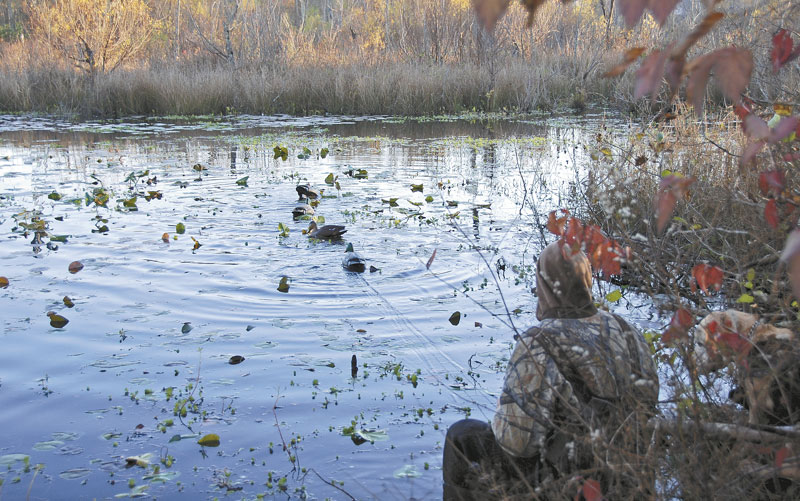
Matthew Cagle of Newport, N.C., president of Rig ’Em Right Waterfowl, said one mistake many early season hunters make is trying to use too many blocks. He said early season birds won’t be flocked up the way they will be when migratory birds push in, so it’s better to have a dozen or fewer decoys in your spread — but make the most of the decoys you use.
“We created a jerk-cord system at Rig ’Em Right that brings in ducks just as good if not better than spinning-wing decoys,” Cagle said. “First, the hunter is controlling the movement, so you don’t have a constant spinning or whirling motion at a critical moment when ducks are being finicky. The movement is also variable, which I believe looks more natural to circling birds.”
An old-fashioned jerk string allows hunters to impart the right amount of movement to three or four decoys within a spread, but it also creates a wake that will move up to a dozen ducks. Cagle said the result is natural, subtle movement of a whole flock at the pull of a string.
Don’t Forget About Geese
When Scott Emery of Greer, S.C., thinks about waterfowl hunting in November, it’s either wood ducks or geese.
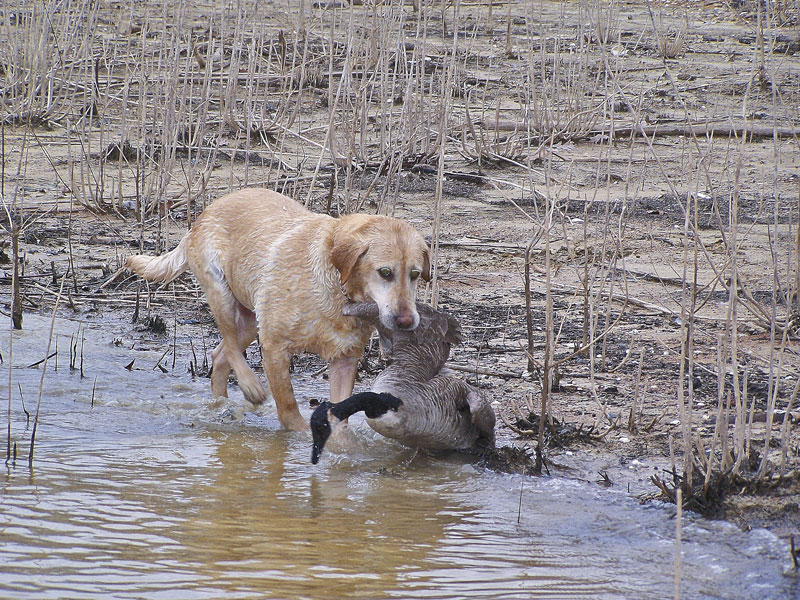
“Years ago, we’d get out on a farm pond and get all set up before daylight and get all our duck decoys out, and right at daylight, we’d normally get shots at a couple of wood ducks,” he said. “If we were lucky, a couple of mallards might drop in, but we realized more often than not, the best shooting came about mid-morning when a flock of geese would drop into the pond.”
Emery tried for several years to integrate both ducks and geese into his decoy spread, but it never worked out the way he intended.
“I’d start out putting them together, then realized you don’t see that many ducks and geese together unless it’s at a park somewhere,” he said. “I’d start splitting them up, and eventually, it would be ducks on one said of the pond and geese on the other.”
After the initial volley of woodies, he’d give the local mallards about an hour to show up, and then he would move over to the other side of the pond.
“If we did get a late duck that circled out of range, somebody might ease over there and jump-shoot him, but the best way was to sit tight and wait for the geese to show up.”
Set The Table Yourself
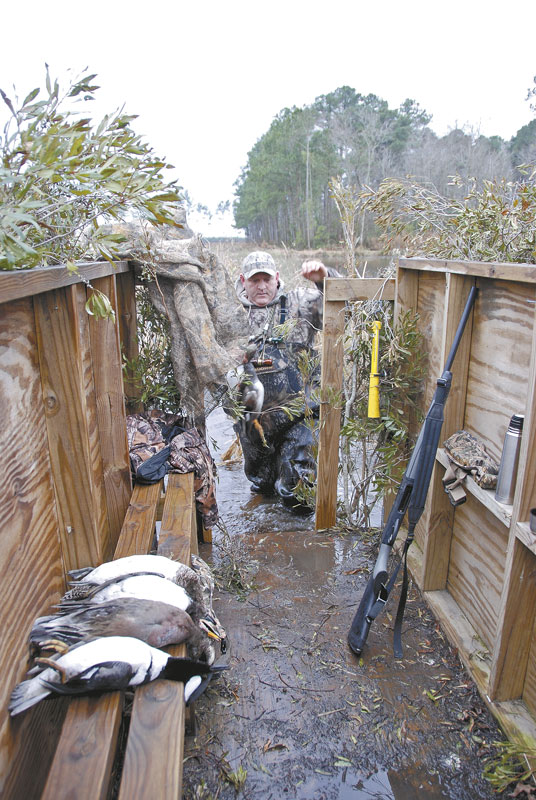
After spending much of his duck-hunting career hunting open-water sounds for divers, callmaker Allen Bliven decided it was time to invest in his own private land and let the ducks come to him.
He bought a small farm near the Swanquarter on the south side of North Carolina’s famed Lake Mattamuskeet. He soon discovered that it wasn’t as easy as he thought and learned some valuable tips in manipulating his own land.
“You read a lot about exotic duck foods, but to me corn is the best crop to grow,” he explained. “First, ducks love it, and second, it allowed me to co-op with a local farmer. That wouldn’t be possible with Japanese millet or other duck food that isn’t marketable.”
Along with food, water was also a big concern for Bliven. His land was graded to manipulate water, but he discovered that seasons of drought meant no water and no ducks. He finally went the distance and built a well on his property, which guarantees him water even during drought times.
“Another thing I recently discovered about the water levels is that the deeper the water, the more divers and mergansers we had coming to our land,” he said. “By maintaining just 6 inches of water over the crops — rather than 6 feet — I’m saving money on pumping costs and I’m getting more puddlers like teal, mallards and widgeon.”
Be the first to comment