
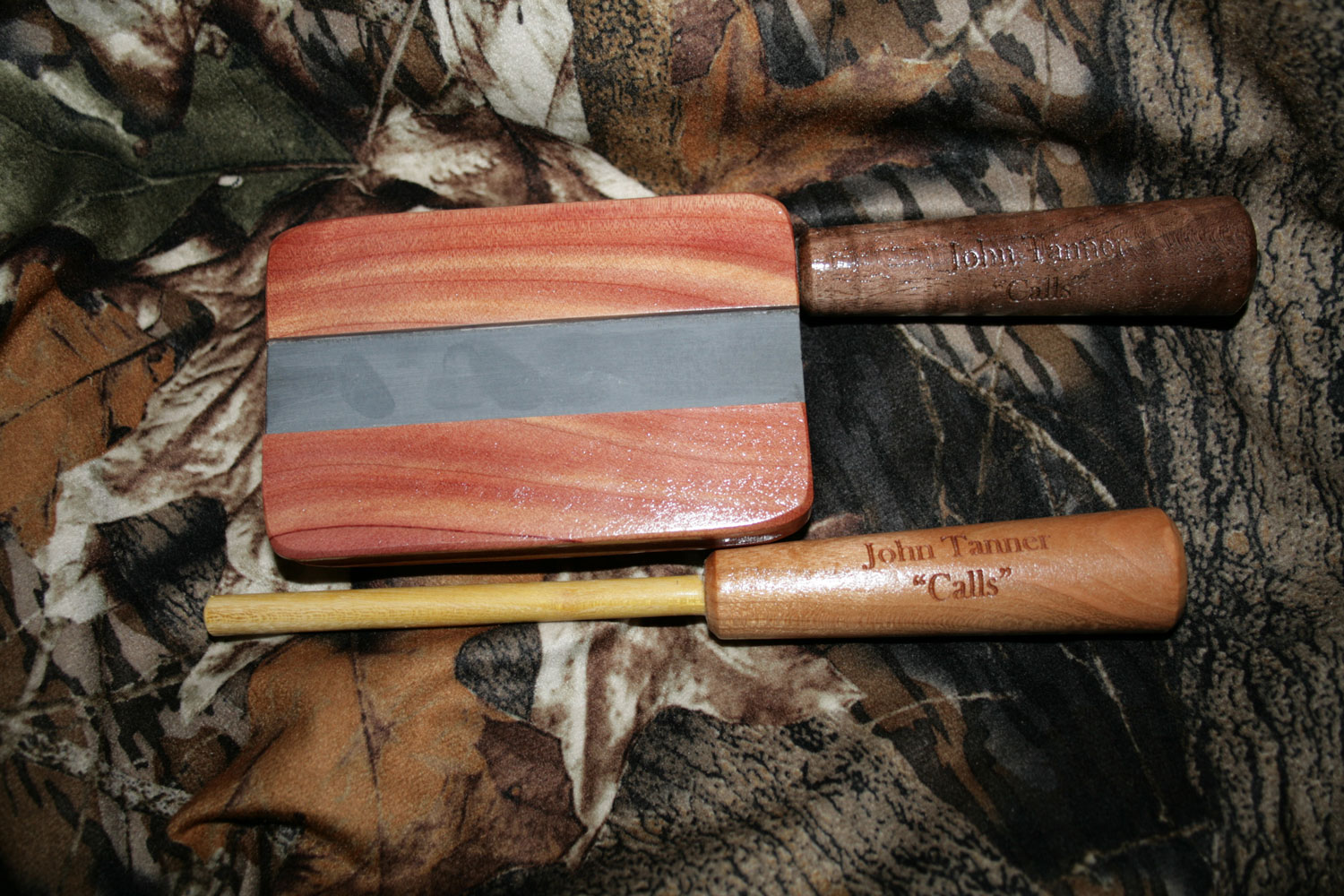
Call-maker and veteran hunter John Tanner of Hemingway said one of the best attributes a good hunter can have when working henned gobblers is know when enough is enough.
“It may sound counterproductive to call off a hunt for a specific bird, but there is a right time to do it if you want to eventually kill that bird,” Tanner said. “I will do everything I can to get a henned bird, it a great challenge, and I enjoy it. But I stop short of buggering the bird or the hens. It’s essential for future hunts that you sometimes accept that the hens are not coming to you and bringing the gobbler, and the gobbler is not coming without the hens. It happens to hunters regardless of how good they call.”
Tanner did say if he is convinced the gobbler is not coming and can get out of the area without spooking the turkeys, he will often be back in the same general area the bird was roosted that evening.
“Turkeys are basically creatures of habit,” he said. “If you don’t bugger them with too much calling or get too aggressive with your calling, you can slip out (and) hunt other places that day, then return to hunt that gobbler in the late afternoon. Odds are very good that flock of turkeys will return to the same general area to roost again. Select a setup where you can see well but be hidden and call sparingly. I think a key in the afternoon near a roost area is very soft calling; I rely heavily on purrs and clucks and have great success using soft calls. In fact, I’ve developed a new call I’ve named the “Purring Block” … that I’m real excited about. It makes the most realistic, soft, contented purrs I’ve heard, and that the sound that will often entice the gobbler — and hens if they’re still with him — straight to you. I developed this call during the 2012 deer season while listening to scores of hens purring and clucking as they fed around my deer stand. Plus, this call works wet or dry, another advantage when working henned gobblers.”
“The key to afternoon hunting is to be vigilant at all times, because the turkey may or may not gobble coming back to the roost area,” Tanner said. “But he will come to the soft calling. You may hear some clucks and purrs as the birds approach, or you may all of a sudden have a whole flock of turkeys ambling in. If you’ve setup properly, you’ll have your chance to take that henned gobbler.”
Be the first to comment