
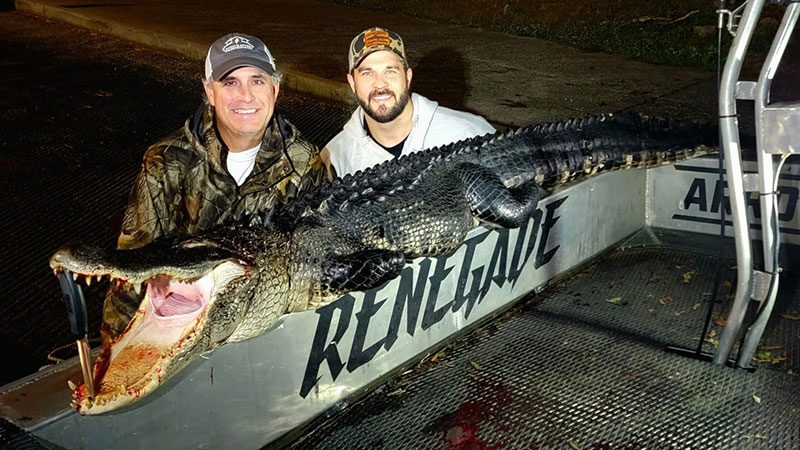
Scouting plays a key role to tagging your gator
South Carolina’s fall alligator season sits at the crossroads of wild tradition and careful regulation. From the ACE Basin to the Santee Cooper system and the blackwater creeks edging the Lowcountry, hunters draw tags, prep boats, and study the weather with a single goal: take a legal gator cleanly, ethically, and by the book. Doing that well starts long before opening day, with smart scouting, and ends with a tightly choreographed capture-and-dispatch sequence that follows South Carolina Dept. of Natural Resources (SCDNR) rules to the letter.
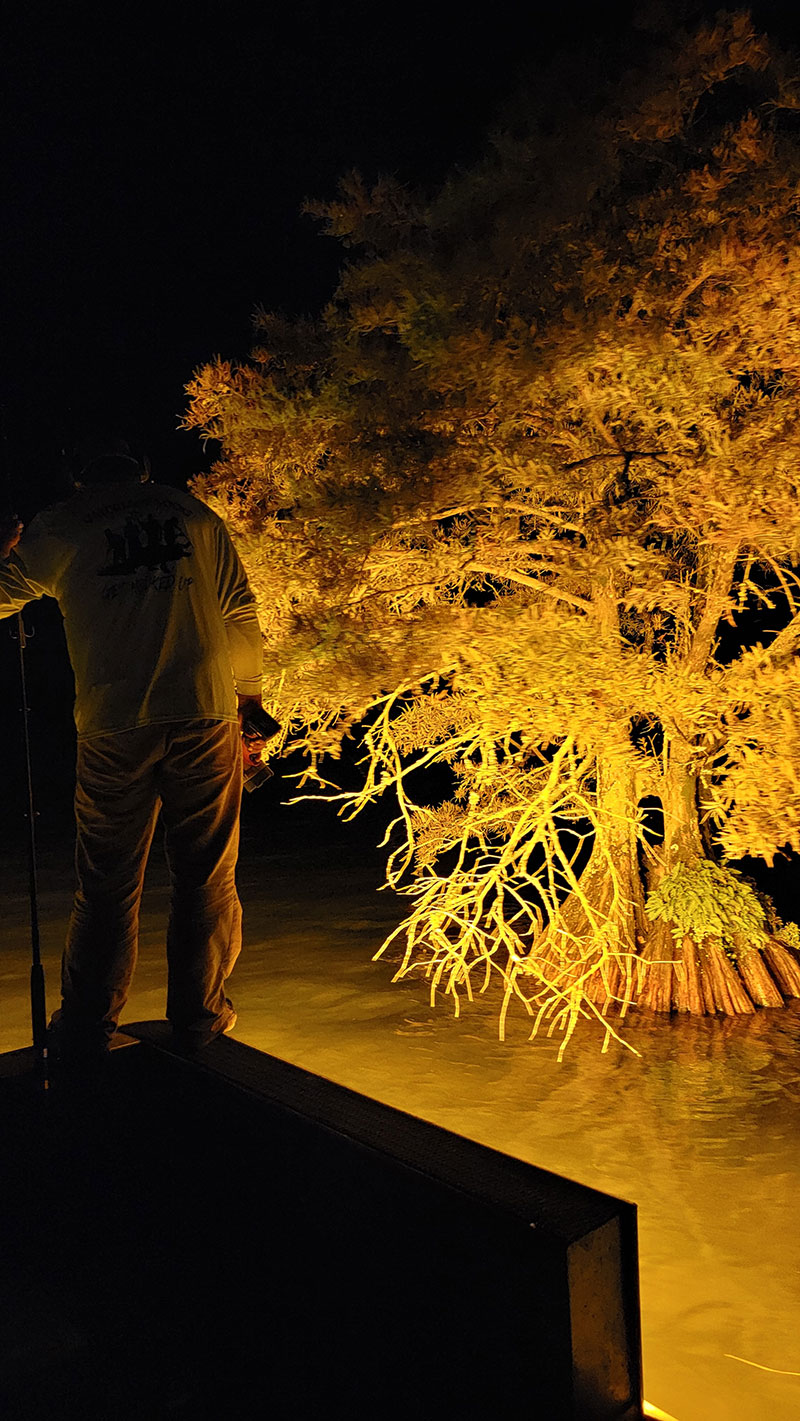
Autumn brings more stable weather, falling water temperatures, and shifting gator behavior. On many lakes and tidal rivers, September into early October finds adult alligators cruising edges and bedding near predictable structure like points, reed lines, cypress knees, and deep cuts that hold heat and bait. The state’s public alligator season is set on a fixed window each year, from noon on the second Saturday in September to noon on the second Saturday in October, so planning around those dates is essential for anyone hoping to make their one tag count.
Scouting
Great gator hunts are won on the front end. Effective scouting blends maps, glass, and logs.
Map the water. Mark creek mouths, shallow flats next to 8 to15 feet of water, and wind-protected coves. In tidal zones, note bars and cuts that flood and drain with predictable current, prime travel lanes for cruising alligators.
Glass at safe distance. Dawn and dusk glassing sessions reveal size classes and patterns: where big heads consistently pop up, which banks have baskers on warm afternoons, and which stretches see little pressure.
Track conditions. Tides, moon, and wind shift where and when gators show. Keep a notebook: time, temp,water conditions, and sightings. Over a week, that log points to a handful of high-odds spots.
Pressure check. During the first few nights of the season, ride likely water to gauge competition. If a cove is crowded with lights and chatter, have backup water ready.
Good scouting also prevents marginal shots. Knowing where an alligator can be quickly moved to calmer water and where a boat can drift without snagging lines makes the capture safer for everyone on board.
If you aren’t able to scout effectively before the season, you should seriously consider hiring a guide. They have been scouting for months, are on the water constantly, and know the preferred areas for certain gators before the season ever starts.
Gear up
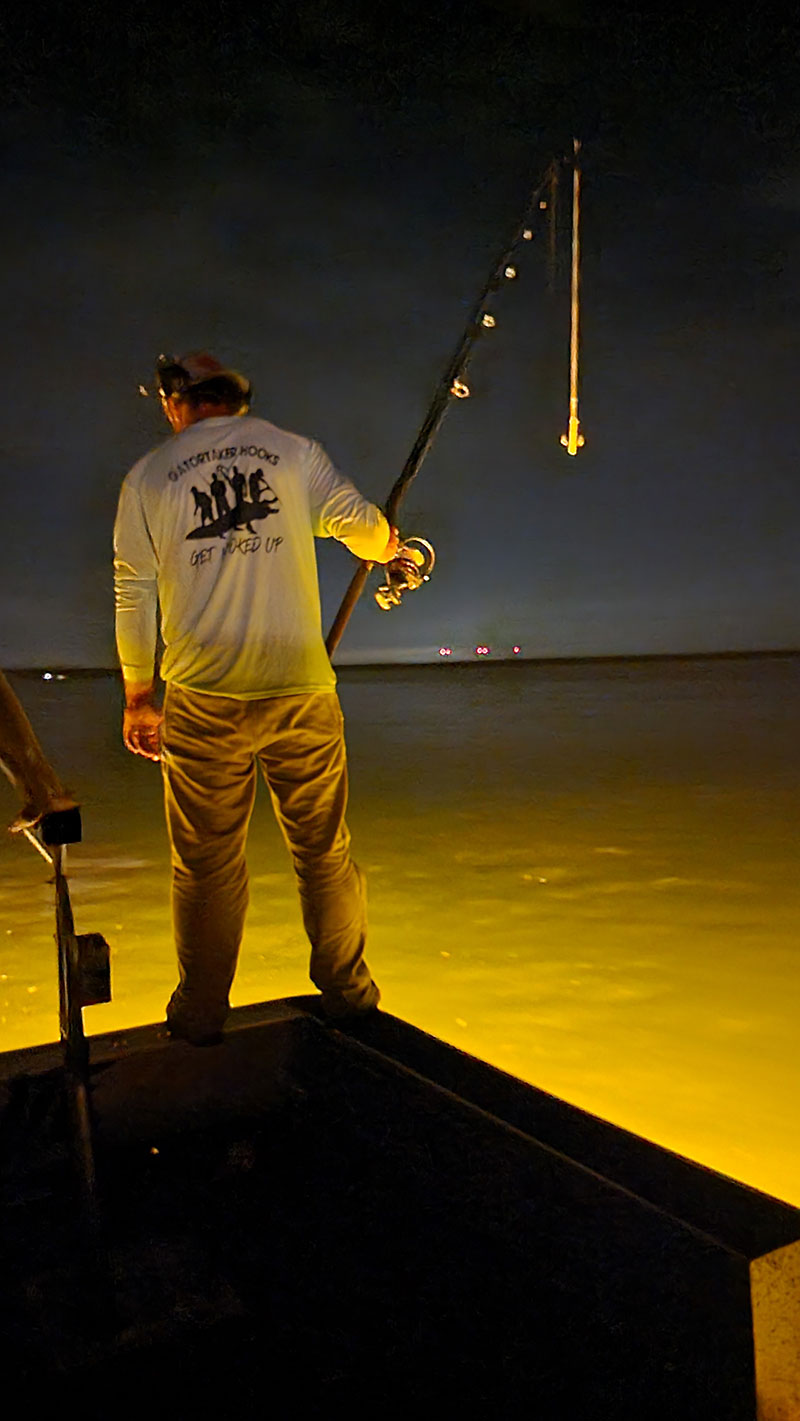
SCDNR is explicit about legal methods for the public alligator season. Hunters may use hand-held snares, hand-held harpoons, archery equipment, crossbows, and snatch hooks, but whatever device is used must have a restraining line securely attached all the way back to the boat or a floating/stationary object capable of keeping the line above water when the alligator is attached. Baited hooks are illegal, and you may not shoot a free-swimming or basking alligator.
For dispatch, only a handgun, a bangstick, or a sharp instrument to sever the spine may be used, and only after the alligator is on a restraining line. Before dispatch, a hand-held snare or line must be used to hold the alligator boatside or on land. These steps are not suggestions; they’re mandatory parts of a safe, legal hunt.
The sequence
A smooth, ethical kill in South Carolina follows a clear order:
Locate and approach. Position upwind or up-current if possible so boat control is easier once lines are set. Keep lights disciplined. Use enough to identify target size and position without blowing the approach.
Make first contact with a legal device that’s tied to a line. Common choices include a weighted snatch hook cast ahead of a slow-moving gator, a hand-held harpoon from close range, or bow/crossbow tackle rigged with stout line. However you connect, the line must remain secured to the hook, harpon or arrow so it cannot separate before retrieval.
Control the fight and add insurance. Keep steady pressure to tire the animal. When practical, add a second line from a different angle. Avoid wrapping lines around hands or limbs, and keep the cockpit clear of loose coils to prevent entanglement.
Have control at boatside or on land. Before any dispatch tool is used, South Carolina requires the alligator to be held at boatside or on land. This step creates a positive, non-slipping hold on the animal.
Dispatch only after restraint. With the gator controlled on a restraining line, use one of the three legal dispatch methods:
- Handgun (placed for a close, safe, and precise shot),
- Bangstick, or
- Sharp instrument to sever the spine.
Firearms may not be used on a free-swimming or basking alligator, only at this restrained stage.
Secure, tag, and stow. Once dispatched, bring the alligator fully under control, stay clear of reflexive tail or jaw movement, and attach your SCDNR harvest tag as directed on your permit materials. All alligators taken in the public season must be killed prior to transport by boat or vehicle. Complete any required harvest reporting by SCDNR’s stated deadline. (SCDNR’s regulation chapter specifies public-season harvest reporting within 24 hours).
Teamwork

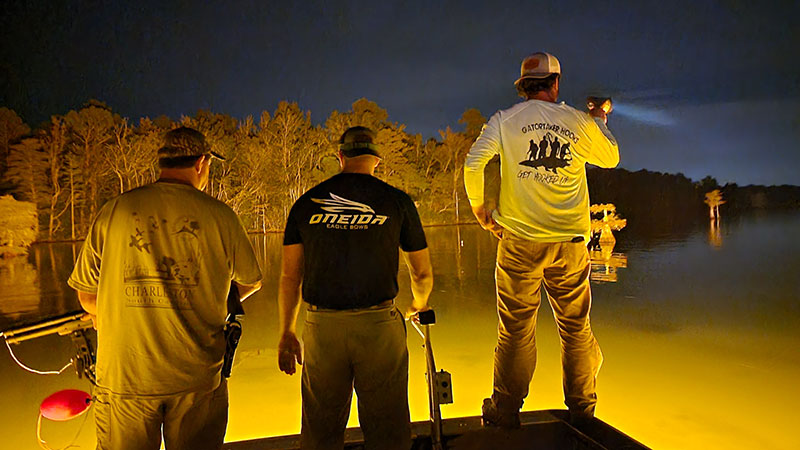
A good crew assigns jobs up front: driver, line handler, snare operator, and dispatch lead. Everyone should know the plan for what happens after the first line connects, like where to move the boat, who clears the cockpit, who readies the snare, who calls out line angles. Of course, once a gator is hooked up, things get chaotic, so plans change on the fly. Still, the more prepared every is, the better and safer the rest of the hunt will go.
Ethical judgment
Not every opportunity should be taken. If a large alligator slides into dense timber where safe snaring is unlikely, back off and reset. If another boat is working the same shoreline, give them room. Crowding increases the chances of crossed lines and bad outcomes. Ethical hunters also consider meat care and processing: know your plan for cooling, storage, and transport before you make a shot.
Be the first to comment