

Catching redfish in shallow water is a popular pattern during March, and anglers who are consistently successful have common traits — patience and silence.
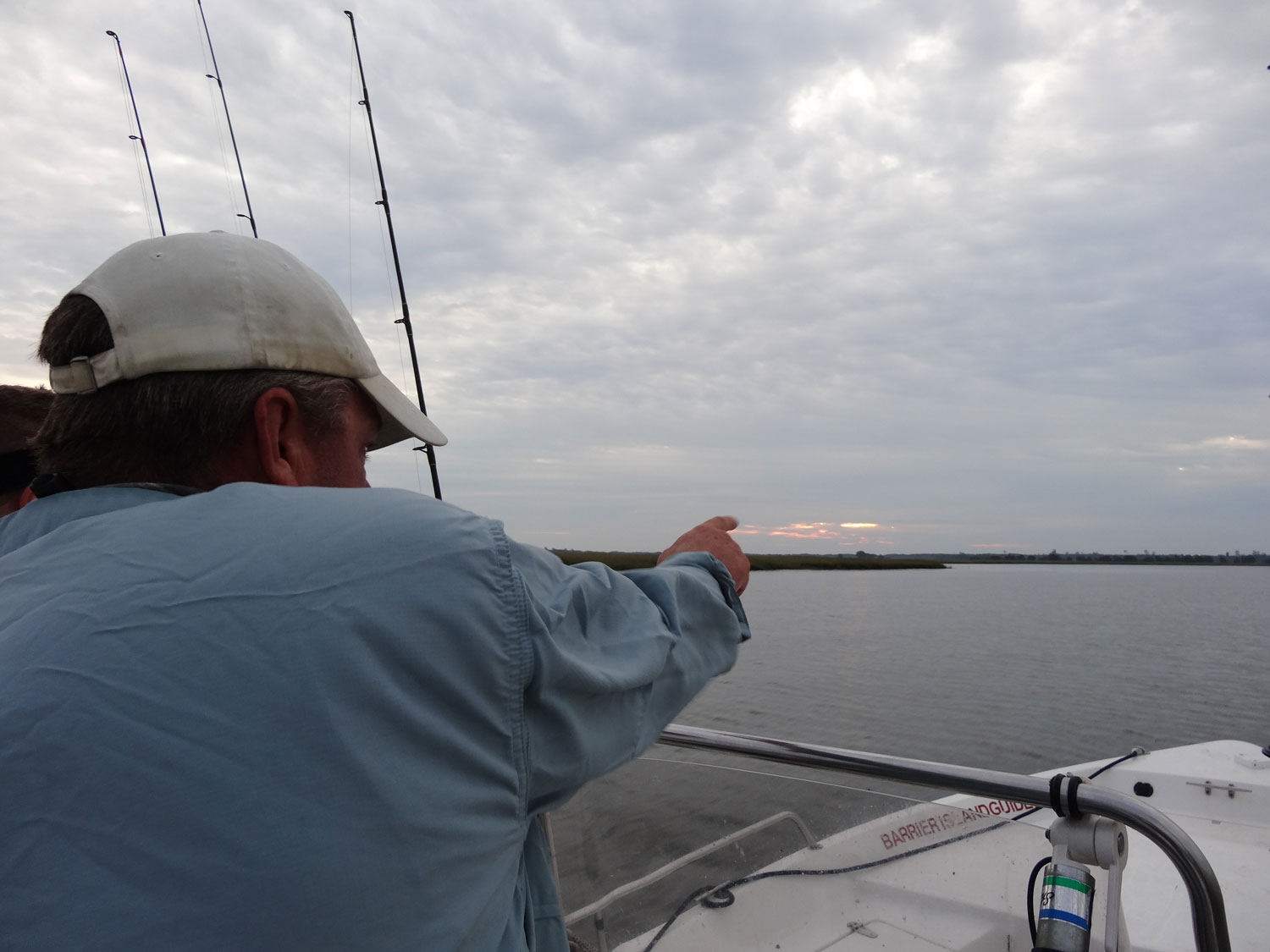
Capt. Steve Roff goes one step further when fishing the shallows for reds. He will slip into an area quietly so the fish don’t spook, and then stop and survey the area for a few minutes.
“A lot of fishermen get real excited about chasing redfish on the flats and hustle to get back there with the fish, and I certainly understand that passion,” Roff said. “Reds in shallow water can provide exceptional fishing, but it is a fragile situation.
“When I first get into a flat, I stop the boat and literately take about five minutes to survey the situation in detail before going in. I like large flats, maybe 60 to 80 acres in size, so it takes a few minutes to take it all in mentally.”
Roff said moving right in can lead to running right on top of the fish and scatter them to all parts of the flats.
“That’s what I want to avoid and why I take a few minutes to look things over,” he said. “If it’s calm, I may see the fish moving in the shallows and make a plan of action before I go in. I often see the grass moving if the water is still up a bit, and that tips me off to where the fish are. Or I may decide nothing is happening at that location and move on and that can save a lot of time finding fish.
“If it looks good, I slowly move in, keeping quiet and an eye on the situation because it will be constantly changing as the fish move around. When I spot a school of fish, I position the boat to take fish from the edge of the school, not from the middle. By hooking a fish from the edge, the school isn’t disturbed as much and that’s also why I’ll often fish Fluke-style baits, they’re soft and quiet.
“A good example of how spooky these fish can be would be to cast a big spoon or other heavy lure into the middle of the school,” Roth said. “I’ve done that and have seen the entire school scatter; I think it’s because they react like it’s a bird, such as an osprey, diving on them.
“Also, I keep the sun to my back so I can see better, and I plan my attack that way when I’m first surveying the area,” he said. “The little things add up to success. Another factor is the wind, and it will often be a factor in March. It can limit your ability to effectively fish a specific place. My philosophy is to just let it go. Don’t fish an area when conditions are wrong, just go somewhere where you can fish effectively. If you force it, it usually doesn’t work out well.”

Be the first to comment