

Fishing for speckled trout in the fall can in South Carolina waters can be extremely productive, but trout often move from spot to spot over the course of a day, and anglers need to be just as mobile.
Starting in spots where fish were caught the day, week or year before is a good idea, but trout will move throughout the changing tide, chasing schools of bait or shrimp. The best wait to keep up with them is to keep your anchor in the boat and keep moving until a concentration of fish is located.
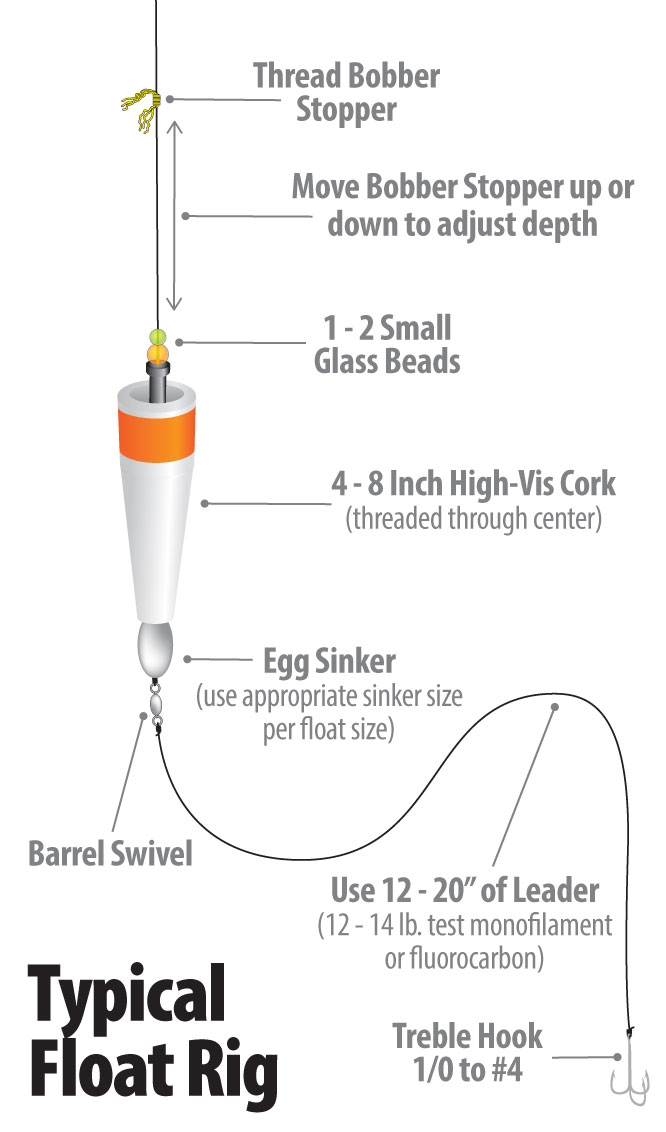
Two ways anglers can do this are drifting or trolling. Both techniques a lot of water to be covered and concentrations of fish found. For anglers using live shrimp under a popping cork, drifting with the tide is the most effective method to both cover water and keep a lively shrimp kicking around in the strike zone.
Additionally, anglers can cast lures to oyster bars and creek mouths when drifting down the creek. Drifting with the tide allows anglers to effectively cover a large expanse of potential habitats for find speckled trout during the fall run.
On the other hand, trolling is the more-common technique in Murrells Inlet. In fact, some anglers will troll even if trout are stacked up along the point of an oyster bar in their favorite creek. Trolling allows anglers to cover a lot of water very quickly with several different types of lure options behind the boat.
Guide Jason Burton will sometimes troll when fish have scattered from his normal ambush places.
“Trolling MirrOLures and grubs is a good way to find them,” said Burton, “and it’s sometimes just a good way to catch them, too.”
Burton trolls the banks of the main creeks using MirrOLure 52M in the 808 color (black back/orange belly) and a wide assortment of jigs. He trolls to find the fish and then will stop and cast when he catches fish on multiple passes across the same spot.
Guide J Baisch trolls at times when fish move out of his normal spots; he uses similar lures as Burton.
“I pull (grubs) in opening night and electric chicken (colors) on a 3/8-ounce or larger jighead depending on current speed,” said Baisch. “I have the best luck trolling against the current, but I will zig-zag into the current to keep the lures fishing.”

Be the first to comment