


Mountain trout heat up as weather cools
Crisp air and clear water arrives in the Carolina mountains in November, making it a great month for trout anglers willing to layer up and chase fish that grow more active as temperatures drop.
Wilson creek
In North Carolina, Wilson Creek stands out as one of the most scenic and productive places to fish for trout this time of year.
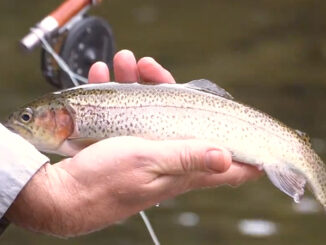
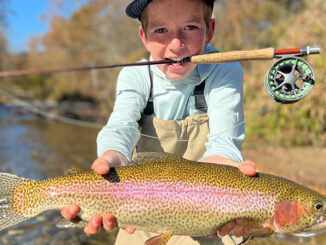
The creek runs cold and clear through Pisgah National Forest, and November’s cooler weather keeps the water oxygen-rich and the trout hungry. Both wild and stocked fish are present, with rainbow, brown, and brook trout all providing opportunity.
Anglers who match the hatch with small artificial lures and flies can enjoy steady action. Inline spinners in gold or silver work well in the slightly stained pools after a rain, while tiny jerkbaits and small soft plastic trout worms can tempt larger browns in deeper runs.
Fly anglers do well with nymphs like Pheasant Tails and Prince Nymphs drifted naturally through riffles. On sunny days when trout feed on the surface, small dry flies such as Blue Winged Olives often bring explosive strikes.
A light spinning setup with 4-pound test line and natural colors helps keep presentations subtle in the clear water. Fishing early and late in the day can be most productive, especially in the slower pools where trout hold tight to the bottom.
Many local anglers also add a small split shot above their lure or fly to reach the deeper pockets where fish hide when the sun climbs high. The creek’s rugged terrain and crystal pools reward patience and stealth, and November offers the advantage of fewer crowds and more active fish.
Middle Saluda River
Across the border in South Carolina, the Middle Saluda River provides excellent mountain trout fishing in November.
The river flows through steep, forested terrain and maintains cold, clear water that supports healthy populations of rainbow and brown trout.
Small inline spinners, single-hook spoons, and natural-colored soft plastics all produce fish, especially when fished slowly in deeper pools and runs.
Fly anglers find success with bead-head nymphs, egg patterns, and small streamers stripped along shaded sections.
Live bait such as red worms or crickets is effective in the areas where it is legal, but most anglers prefer artificials for a more sporting challenge.
Whether using spinning tackle or a fly rod, precision and quiet approaches are essential in these clear mountain waters, where November trout are wary but will strike when anglers present their lures thoughtfully.
Be the first to comment