

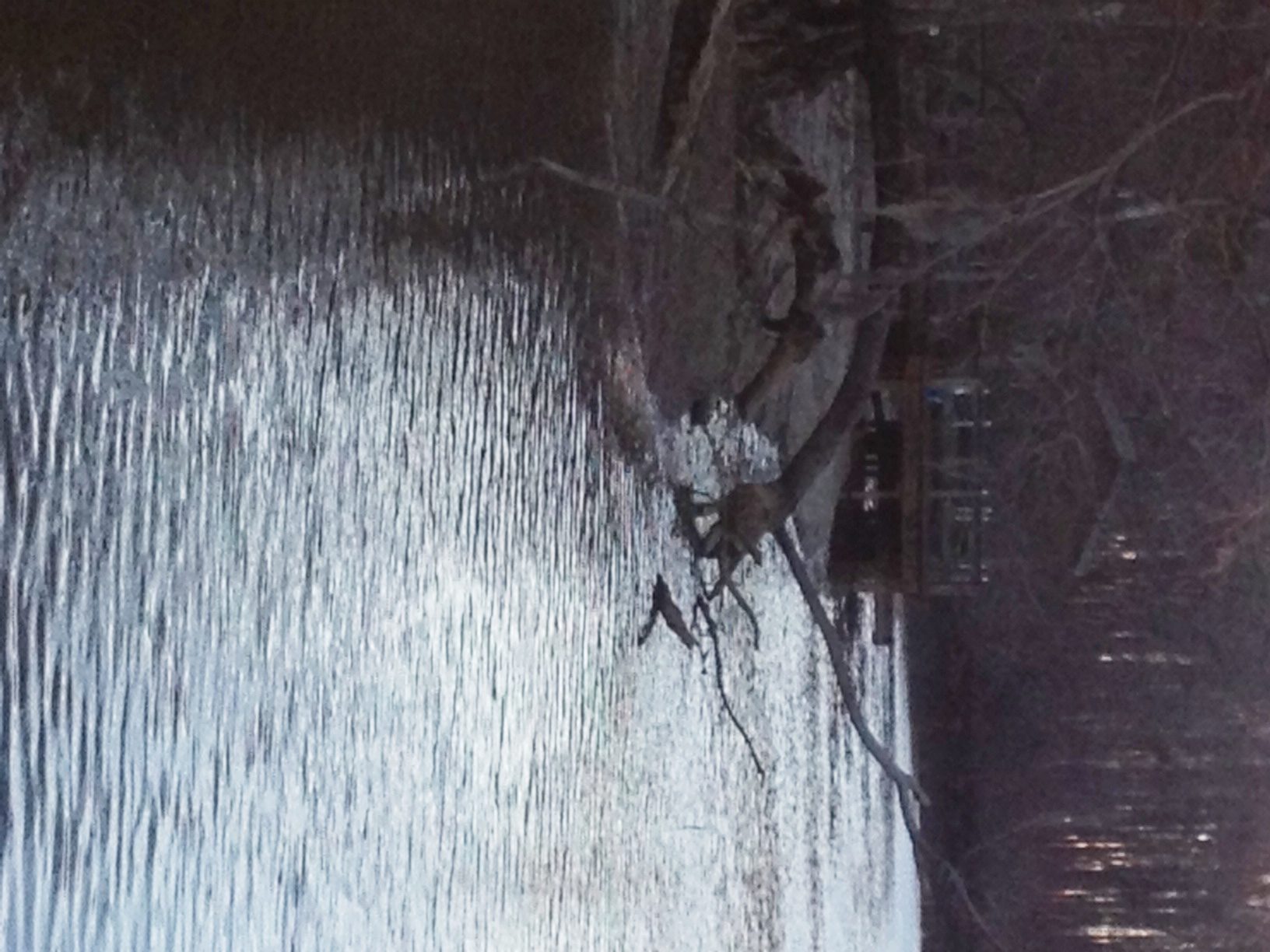
Even though the Albemarle Sound is an estuary with direct connections to the ocean, the lunar tide cycle has little effect, especially on the western side of the sound. The wind has a greater effect on water levels and currents. Anglers should pay close attention to the prevailing winds to choose which creeks to fish.
East winds blow water into the sound, raising the water levels, and west winds push water out of the sound. Wind tides generally have a slight effect to the water levels along the main sound, but the shallow tributaries are dependent on the prevailing winds. And the fish living within these tributary waters will respond immediately to abrupt changes in the prevailing winds.
Guide Scooter Lilley picks the creeks he’ll fish depending on the wind, and he’d much rather fish falling water than rising water.
“I love to fish a falling or pulling-out water,” he said. “The fish will move to a deeper spot at the first available structure; that may be a tree top, small grass line or even the creek mouths.”
Fish find it a good time to feed when the bait is retreating to the deeper water. Ambush points can yield great days under the right conditions and in the right places.
“The best scenario is when the wind switches to the west after a long period of east wind,” said Lilley, who always tries to fish places where the wind is pushing water out of creeks.
“If blowing southwest, I will fish the Roanoke (River) side and if blowing northeast, I will fish the Edenton side of the Sound,” he said.
However, if the wind changes directions, he’ll change plans and locations.
“It doesn’t matter how good the day was before, you must fish the winds to consistently catch bass in the Albemarle area,” he said.
Rainfall also plays a role in where the fish hold. Guide Jeff Onley will move to creeks further to the west during periods of drought.
“The less rain we get, the saltier the water will be pushing bass further to the west and into freshwater areas,” he said.
Add a prevailing east wind to an extreme drought and the bass will be pushed to the headwaters of the smaller rivers, such as the Perquimans and Pasquotank and well upstream in the bigger Chowan and Roanoke rivers, away from the sound.

Be the first to comment