Featured
It’s current, current, current for specks
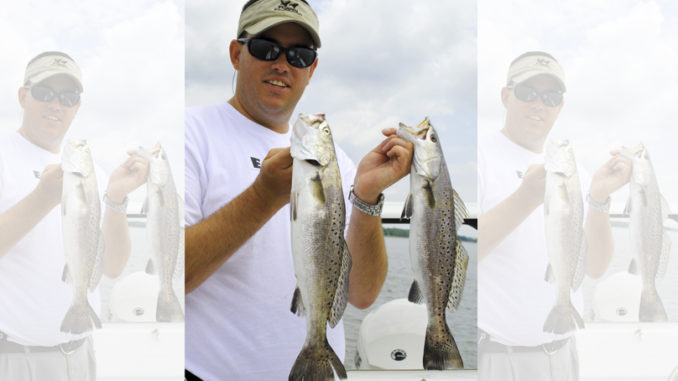
Current, current, current. If there’s one factor that stands out to guarantee success catching spring speckled trout, it’s current. No current. No fish. Plenty of current, plenty of fish.

Current, current, current. If there’s one factor that stands out to guarantee success catching spring speckled trout, it’s current. No current. No fish. Plenty of current, plenty of fish.
Finding current is the key to catching speckled trout in the springtime, and you can catch them with a variety of lures. […]
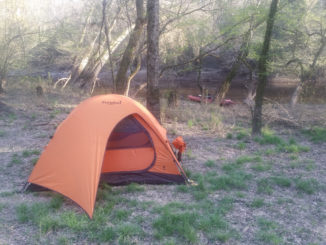
The weather was set up for a perfect weekend float down the creek, the days not too hot and the nights not too cold. The time had come.
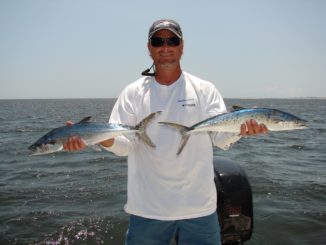
Spanish mackerel are favorites of many North Carolina fishermen, especially along the southern coast. Their popularity is based on four undeniable traits:
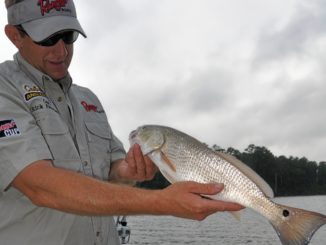
Topwater fishing for red drum cranks up in mid-May when the water temperature begins to climb, and as it approaches, guide Rick Patterson of Cape Carteret starts counting the days.
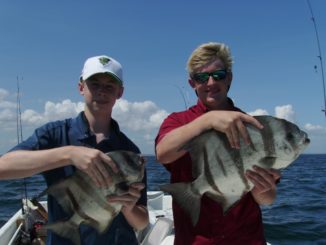
As summer arrives, South Carolinians begin to make their vacation plans. It’s a time when beachgoers start venturing into the warming waters, and many begin seeing jellyfish while they’re tossing their Frisbees. But for anglers, the arrival of the cannonball jellies, aka jelly balls, can only mean one thing — it’s time to target spadefish.
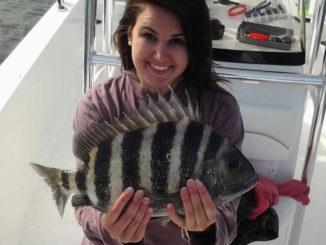
Sitting in a johnboat along a rock wall in Fripp Inlet, Billy Downer of Manning looked at John Long of Lady’s Island and explained, “I think it’s my rod. Maybe I can’t catch them because of my rod.”
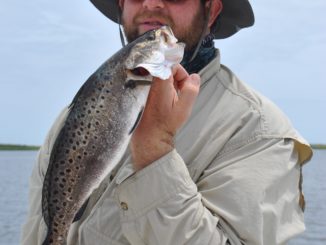
By the time day broke over Buzzard’s Bay on Tuesday morning, Lewis Emery of Tails Up Charters in Carolina Beach and his buddy, Larry Essick, already had a handful of speckled trout in the boat — and neither was surprised.
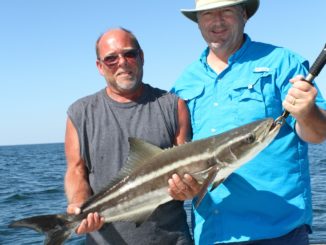
South Carolina’s cobia numbers have been on a roller-coaster over the past 10 years after a relatively stable recreational harvest through the 1980s and 1990s.
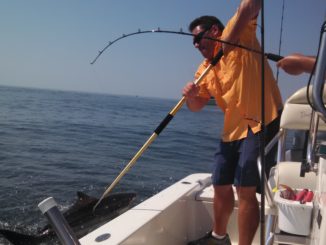
May and June offer great opportunities for fishermen who dream of hooking up with a powerhouse, 50-pound cobia just off the beach. But anglers must act fast if they want to get a hookup, because no matter how lazy these fish appear when cruising along the surface, they become less and less catchable every minute a boat is on the scene.
Copyright 1999 - 2026 Carolina Sportsman, Inc. All rights reserved.