

Have a plan in place
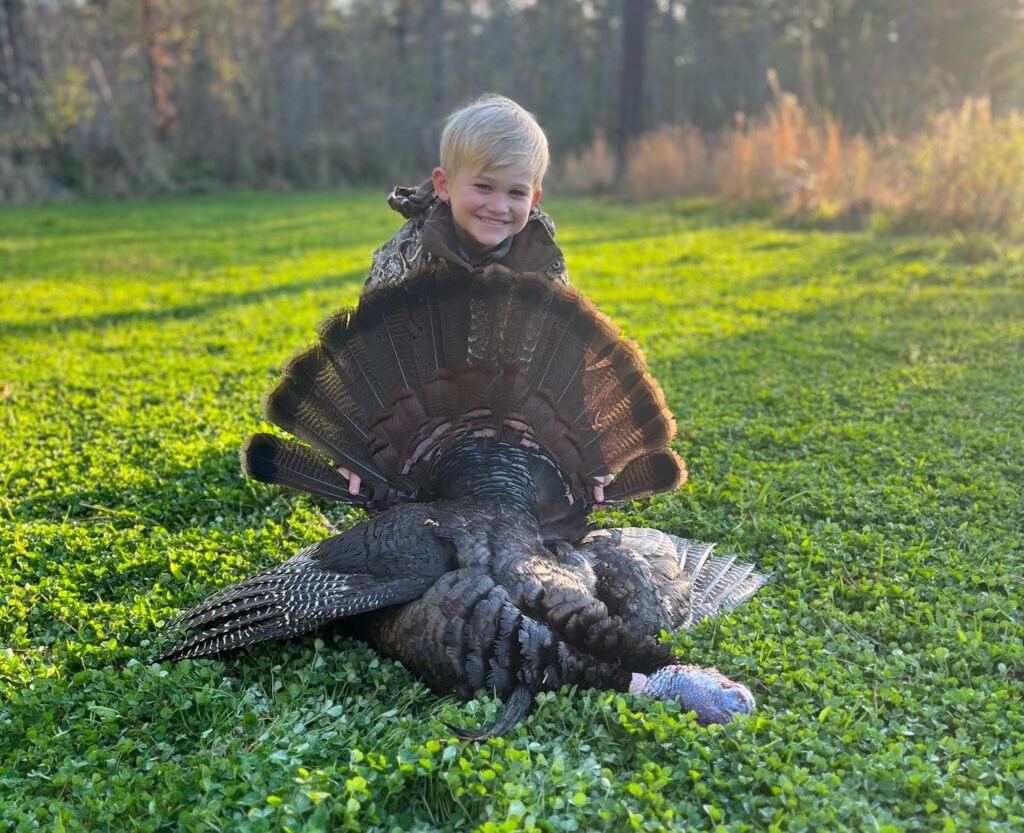
Turkey hunting season starts this month in both Carolinas, and for most hunters, the first hunt of the season offers the best opportunity to kill a gobbler.
“After that very first hunt of the year, gobblers begin getting more and more wary,” said Rich Shively of Super Yelper Turkey Calls. “And the hunting pressure they feel gets stronger each day.”
Shively said the best thing hunters can do starts before opening day.
“You need to observe the turkeys on your hunting land leading up to the season,” he said. “And whatever you do, do not call, not a single time, before opening day.”
Calling before opening day has numerous negative impacts on gobblers.
Don’t educate them
“The biggest thing is, it educates them,” he said. “Even if you’re the best turkey caller out there, if you’re calling, the gobbler is coming in, and then he doesn’t see anything, that tells him he shouldn’t respond to that call any longer, and he shouldn’t go looking for what’s calling to him.”
And if you’re not a very good turkey caller, that could be even worse, educating gobblers to what they learn are unnatural. Shively said he can’t stress enough how important it is to hold off on calling before the season begins.
“During preseason scouting, you need to find out what routes they are traveling, and where their gobbling zones are,” he said. “Using that information will help you determine the best place for you to set up on opening day.”
Once he gets a good feel for where the turkeys are traveling, and where he has a good chance of intercepting them, Shively said on opening day he finds the biggest tree along that route and puts his back to it.
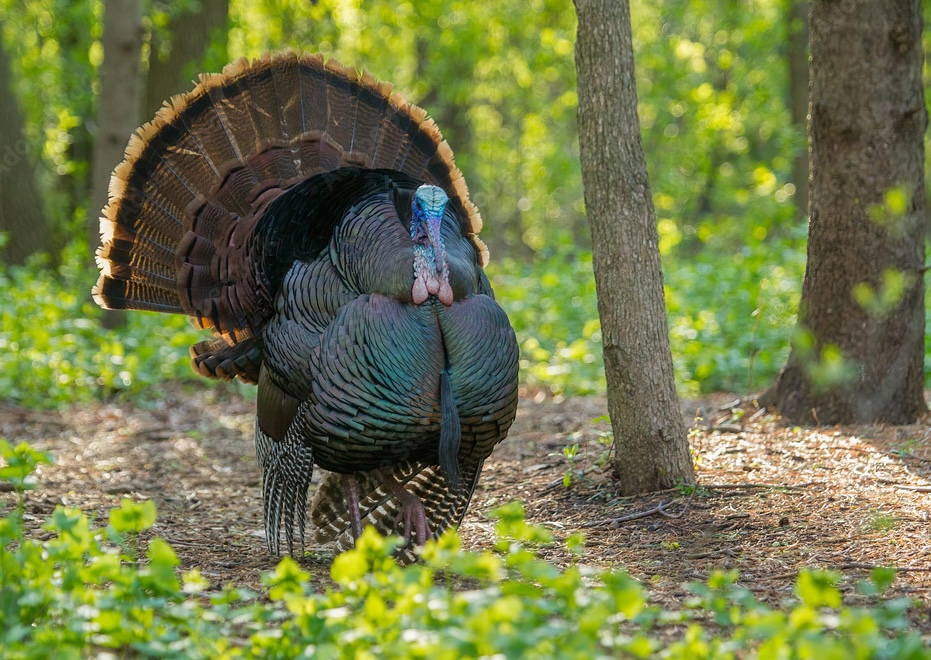
On opening day, Shively likes to get in place about two hours before daylight. And as the morning progresses, he sits quietly, listening as Mother Nature wakes up.
“As it gets daylight, I wait to hear a gobble. If I don’t hear a gobble by the time I think I should, I will try to entice them into gobbling, but not with a turkey call. I’ll use an owl call, which gobblers will usually respond to,” he said.
But if the owl call doesn’t prompt a response from a turkey, he’ll wait a little bit longer, then he’ll use a crow call or a peacock call.
If a turkey still doesn’t sound off, Shively said he doesn’t get discouraged.
“I’ve killed many a turkey that never made a sound. I call them silent gobblers,” he said. “All of a sudden, there they were. If you’re in a place you know they are present, and you should know that through your preseason scouting, then just sit tight and wait. Maybe call once, then wait. They’ll hear you,” he said. “And even if they don’t respond, it doesn’t mean they aren’t heading your way.
Avoid these mistakes
You wouldn’t think this is the case for a turkey call maker, but Shively said one of the biggest mistakes turkey hunters make is overcalling.
“If the turkeys are there and you call, they heard you. And they know exactly where you are,” he said. “So keep calling to a minimum and let them make their way to you.”
Another mistake many hunters make, said Shively, is moving too much.
“I’m not even talking about moving from one tree to another, or from one section of the woods to another,” he said. “I’m talking about moving in general. Just fidgeting around.”
That’s because, he said, turkeys have extremely keen eyesight, and notice everything.
“Their eyesight is 10 times better than a humans. And although they are set in their traveling patterns, any little movement that seems out of place to them will scare them, and they will change their course of travel when they see it,” he said.
Don’t give up
The third big mistake many turkey hunters make, he said, is giving up too early.
“This goes back to turkeys not making any calls,” he said. “Many hunters will give up too soon when they don’t hear any turkeys calling.”
Shively said he’s made the same mistake, and points to one hunt when he was saved from making that mistake by an airplane.
“I sat with my back against a tree for three hours without hearing a single turkey,” he said. “And I decided to give up and go home. Just as I stood up, a Piper Cub airplane flew over. That turkey gobbled at the noise of the plane, and that spelled that gobbler’s demise.” ■
Be the first to comment