

Observe, don’t call
A month before turkey season opens in North Carolina and South Carolina, serious hunters are already in the woods, but not with shotguns or calls in hand. March is for scouting, and the most disciplined turkey hunters understand that success later in spring depends on careful observation now. The goal is simple: learn the birds’ daily routines without interrupting them.
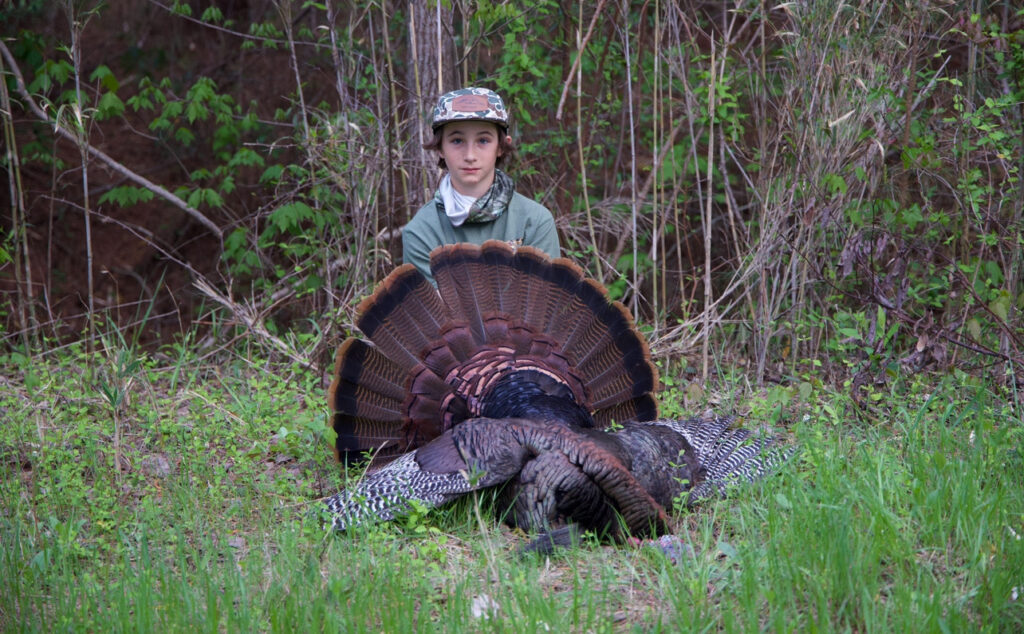
In both states, the pre-season period often coincides with increasing gobbling activity as daylight stretches longer. Toms begin establishing dominance, strutting in open areas, and sounding off from traditional roost trees.
Rather than attempting to provoke a response with a call, experienced scouts position themselves well before daylight on high ground or along field edges where they can listen from a distance. Owl hoots and crow calls are brief, non-turkey locator sounds that may be used sparingly to pinpoint a gobbler’s position, but artificial hen yelps are avoided. Educated birds in March can become wary long before opening day if pressured unnecessarily.
Roost ‘em
Observation starts at the roost. From a concealed vantage point, a hunter watches birds pitch down at first light, noting direction of travel and preferred terrain features.
Turkeys in the Carolinas often move from hardwood bottoms to adjacent fields or pine ridges, feeding on leftover mast, early green shoots, and insects. By glassing with binoculars from afar, a scout can identify strut zones like open patches where gobblers display for hens, and travel corridors that birds use consistently.
Midday scouting is equally valuable. Instead of walking directly into areas where birds were seen at dawn, careful hunters circle wide and look for sign: scratchings in leaf litter, droppings along logging roads, and feathers near dusting sites. Fresh tracks in sandy soil can reveal flock size and direction of movement.
The emphasis is on reading evidence rather than bumping birds. If turkeys are spotted feeding, the observer keeps distance, studies their behavior, and slips away quietly.
Trail cameras help
One of the most important disciplines during this pre-season window is resisting the urge to practice calling within earshot of live birds.
While it may be tempting to test a new diaphragm or slate call when a gobbler answers from a ridge, seasoned hunters know that repeated, unnatural calling without visual confirmation can condition birds to hang up or avoid certain areas. Instead, they practice at home, in the truck, or in places far removed from active flocks.
Trail cameras can supplement in-person scouting if used thoughtfully. Placed along field edges or travel routes and checked infrequently, they provide insight into flock composition and timing without daily intrusion.
By the time the season opens, a hunter who has scouted responsibly understands where birds roost, where they feed, and how they transition between the two. More importantly, the turkeys remain undisturbed and unaware. In the Carolinas, that quiet preparation often makes the difference between a fleeting gobble at dawn and a longbeard strutting confidently into range.
Be the first to comment